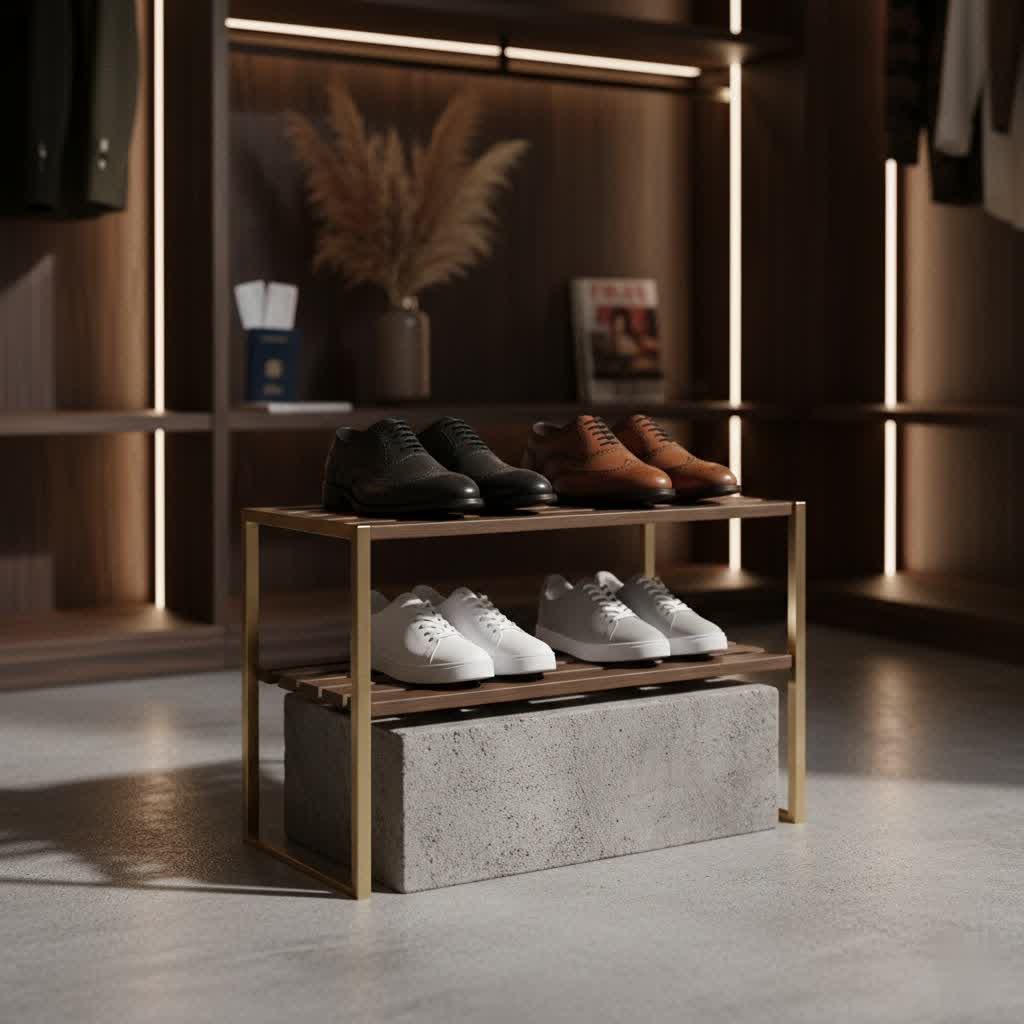
Stepping into an entryway cluttered with shoes can instantly diminish the tranquility of your home. If you’ve ever wrestled with unruly footwear, a wire shoe rack might just be the simple, effective solution you’re searching for. With over a decade of experience observing the evolving landscape of home organization, we understand that selecting the right shoe storage isn’t merely about functionality; it’s about enhancing your living space, preserving your footwear, and streamlining your daily routine. This guide will walk you through everything you need to know, from understanding the unique attributes of wire shoe racks to practical tips for selecting and maintaining the ideal one for your home.
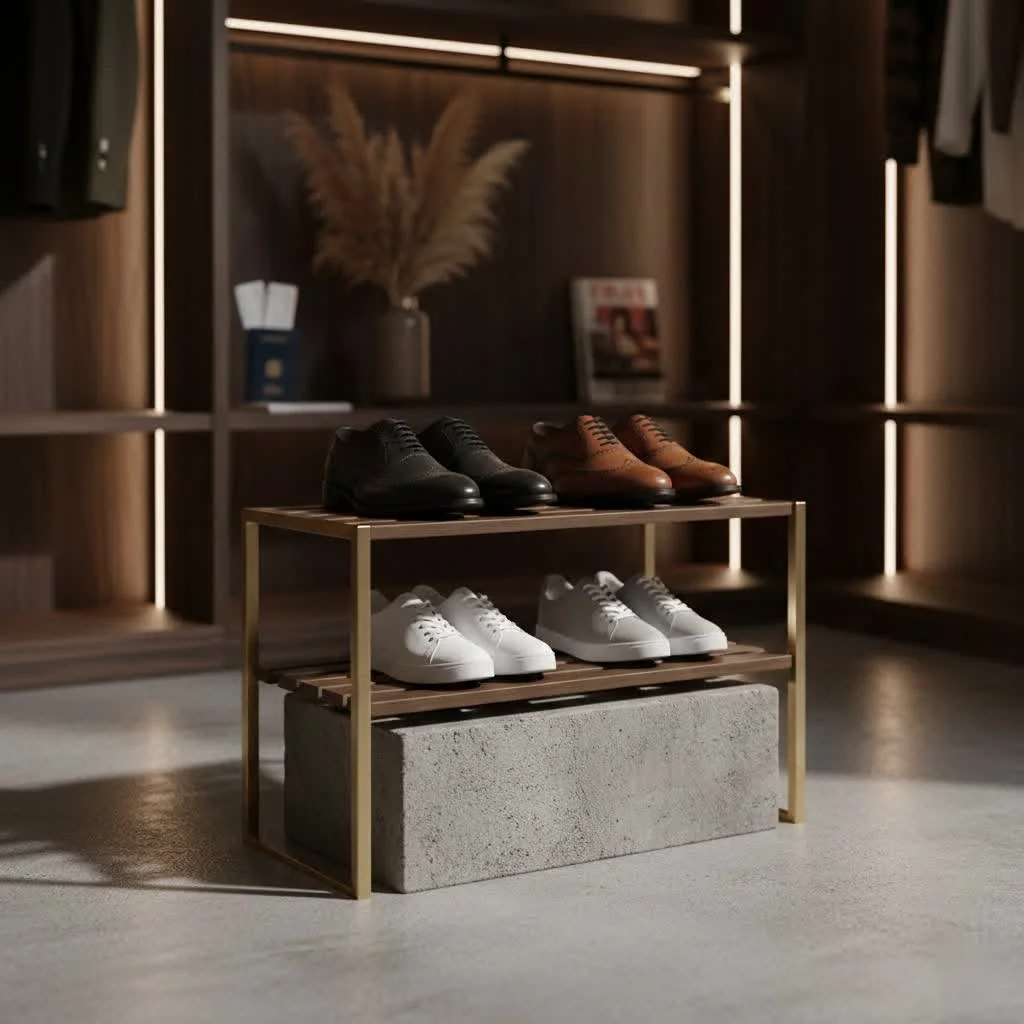
Understanding Wire Shoe Racks
Wire shoe racks are a popular storage choice, prized for their minimalist design and practical benefits. Typically constructed from durable metal, often with a chrome or epoxy coating, these racks feature an open-grid design that sets them apart from other materials. This construction allows for maximum airflow and visibility, making them a smart solution for various storage needs.
What Makes Them Unique?
Wire shoe racks stand out due to their inherent characteristics. They are generally lightweight, making them easy to move and reconfigure. Their modular nature often allows for stackable or expandable designs, adapting to your growing collection or changing space. The open framework, while sometimes perceived as less aesthetically refined than solid materials, offers significant advantages in terms of ventilation and item visibility, crucial for shoe care.
Advantages of Wire Shoe Racks
Wire shoe racks offer a compelling list of benefits that make them a preferred choice for many homeowners:
- Affordability: One of the most significant draws is their cost-effectiveness, providing an economical solution without sacrificing functionality.
- Lightweight and Easy Assembly: Wire racks are typically light, making them easy to handle, move, and assemble, often requiring no tools at all.
- Excellent Ventilation: The open-wire design promotes superior air circulation, helping to prevent musty odors, moisture buildup, and potential mildew that can damage footwear.
- Versatility and Adjustability: Many wire shoe racks feature adjustable shelves, allowing you to customize spacing to accommodate various shoe types, from flats to boots. They can also be stacked or expanded to fit different spaces.
- Easy to Clean: Their smooth, often coated surfaces are simple to wipe down with a damp cloth, making maintenance a breeze and helping to keep your entryway clean.
- High Visibility: The open structure means you can easily see all your shoes at a glance, saving time when picking out a pair.
Disadvantages of Wire Shoe Racks
|
Our Picks for the Best Shoe Rack in 2026
As an Amazon Associate I earn from qualifying purchases.
|
||
| Num | Product | Action |
|---|---|---|
| 1 | SpaceAid 7 Tier Rotating Shoe Rack Tower, Spinning Shoe Display Lazy Susan, Revolving 360 Shoe Rack Storage Round Carousel, Vertical Handbag Rotate Shoes Closet Organization (7-Tier White) |

|
| 2 | SONGMICS Shoe Rack Bench, 3-Tier Bamboo Shoe Storage Organizer, Entryway Bench, Holds Up to 286 lb, 11.3 x 27.6 x 17.8 Inches, for Entryway Bathroom Bedroom, Ink Black ULBS04H |
|
| 3 | FIDUCIAL HOME 10 Tiers Shoe Rack 20-25 Pairs Sturdy Shoe Shelf |
|
| 4 | VTRIN 10 Tier Shoe Rack Tall Large Capacity 50 Pair Wide Shoe Organizer with Two Hooks Sturdy Metal Shoe Shelf for Entryway, Closet, Bedroom |
|
| 5 | ROJASOP Shoe Rack Organizer, 8-Tier Metal Shoe Rack for Closet Entryway Garage, 26-32 Pairs Tall Shoe Boot Storage Shelf with 15 Hooks, Stackable Large Shoe Stand |
|
| 6 | 3 Tier Bamboo Shoe Rack for Closet Free Standing Wood Shoe Shelf Storage Organizer for Entryway Small Space Stackable 27"x11"x20" (Natural) |
|
| 7 | 3 Tier Shoe Rack for Closet, Shoe Organizer with 5 Hooks, Long Shoe Shelf Storage for Sneaker and Boot Stackable Free Standing Shoe Rack for Entryway, Garage, Small Spaces, Dorm |
|
| 8 | 8 Tier Shoe Rack, Shoe Storage Organizer, Large Capacity Shoe Shelf Holds 32 Pairs of Shoes, Sturdy and Stable, for Entryway, Hallway, Closet, Dorm Room, Rustic Brown SS08BR |
|
| 9 | RONGJlA 3 Tier Bamboo Shoe Rack for Closet Free Standing Wood Shoe Shelf Storage Organizer for Entryway Small Space Stackable, Natural |
|
| 10 | HOOBRO Shoe Rack for Entryway, 5-Tier Shoe Organizer with Adjustable Mesh Shelves, 16-20 Pairs of Shoes, Spacious Floor Mount, Metal, Industrial, Shoe Shelf for Closet, Rustic Brown BF12XJ01 |
|
While highly practical, wire shoe racks do come with a few considerations:
- Aesthetics and Perceived Value: Some may find the industrial or utilitarian look less appealing than wood or custom cabinetry, as wire systems can appear more basic.
- Potential for Items to Fall Through: The gaps between the wires can be an issue for shoes with narrow heels, smaller children’s shoes, or delicate fabrics, which might slip through or get stuck.
- Limited Heavy-Duty Capacity: While generally sturdy, some lighter-gauge wire racks may not provide the same rigid support as solid metal or wood shelves and could bow or sag under excessively heavy loads.
Comparing Wire Shoe Racks to Other Materials
When selecting a shoe rack, it’s essential to understand how different materials stack up against each other. Here’s a comparison to help you weigh your options, with a focus on where wire shoe racks excel and where alternatives might be considered.
Wire Shoe Racks
Wire shoe racks are celebrated for their practicality, offering a balance of affordability, air circulation, and adaptability. They are ideal for those who prioritize functional, easy-to-manage storage, especially in high-humidity areas like garages or closets where airflow is key to preventing odors and mildew. Their lightweight nature makes them perfect for temporary setups or spaces that require frequent rearrangement.
Wood Shoe Racks
Wood shoe racks often provide a more traditional or elegant aesthetic, blending seamlessly with classic or rustic interiors. They are typically very durable and can handle heavy loads, making them suitable for extensive shoe collections. However, wood racks are generally more expensive, heavier, and can be susceptible to moisture damage or pests if not properly treated. They also offer less airflow than wire, which can be a concern for shoe longevity.
Metal Shoe Racks (Solid/Iron)
Solid metal or iron shoe racks boast exceptional durability and stability, built to withstand heavy use and various weather conditions, making them great for basements or garages. They often present a robust, industrial look. While sturdy and resistant to rust (especially when powder-coated), they can be significantly heavier and less customizable in terms of adjusting shelf heights compared to their wire counterparts.
Plastic Shoe Racks
Plastic shoe racks are the most budget-friendly and lightweight option, available in a vast array of colors and designs. They are excellent for temporary storage, children’s rooms, or damp areas like bathrooms due to their water resistance and ease of cleaning. However, plastic typically offers the lowest durability, can become brittle over time, and usually lacks the sophisticated aesthetic of wood or metal.
Fabric Shoe Organizers
Fabric shoe organizers, often seen as hanging or soft-sided units, are incredibly lightweight, portable, and space-saving, perfect for small closets or dorm rooms. They are gentle on shoes and come in many colors. Their main drawbacks are limited load-bearing capacity, lower durability, and difficulty in cleaning spills or dirt compared to solid surfaces.
Detailed Material Comparison
| Type of Rack | Price | Durability | Aesthetic | Load Capacity | Ease of Cleaning | Airflow |
|---|---|---|---|---|---|---|
| Wire | Affordable | Good | Modern/Basic | Medium | Easy | Excellent |
| Wood | High | High | Classic/Warm | High | Medium | Low |
| Solid Metal | Medium/High | Very High | Industrial | Very High | Easy | Medium |
| Plastic | Very Low | Low | Functional | Low | Very Easy | Medium |
| Fabric | Very Low | Low | Casual | Very Low | Difficult | Good |
Your Guide to Choosing the Perfect Wire Shoe Rack
Selecting the ideal wire shoe rack involves more than just picking the first one you see. Thoughtful consideration of your specific needs, the rack’s features, and how it fits into your home’s aesthetic can make all the difference.
Assess Your Storage Needs
Before you even start browsing, take stock of your shoe collection and available space.
- Quantity of Shoes: How many pairs do you need to store? This will dictate the required capacity and number of tiers.
- Types of Shoes: Do you primarily own flats and sneakers, or do you have a significant collection of high heels, boots, or bulky work shoes? This affects shelf height and depth.
- Available Space: Measure the exact height, width, and depth of the area where you plan to place the rack. Consider walkways and door swings to ensure the rack fits seamlessly without creating obstructions. For narrow entryways, a vertical, multi-tier design can maximize storage without consuming too much floor space.
Material and Finish Considerations
While all wire racks are metal, the finish greatly impacts their durability and suitability for different environments.
- Chrome Finish: Often provides a sleek, shiny look, but is best suited for dry indoor environments. In humid conditions, chrome can be susceptible to rust.
- Epoxy-Coated (e.g., Powder-Coated): This finish offers enhanced rust and corrosion resistance, making it a superior choice for more humid areas like basements, garages, or laundry rooms. Look for descriptions like “powder-coated” or “epoxy-coated” for long-lasting protection.
Size and Design
The dimensions and design features are crucial for both functionality and aesthetic integration.
- Dimensions:
- Depth: Most wire shoe racks are 12 to 18 inches deep. A 12-15 inch depth is sufficient for standard shoes, while 18 inches is recommended for larger sizes or bulkier footwear like boots.
- Width: Common widths range from 24 to 48 inches. A 36-inch wide rack can typically hold 8-10 pairs, while a 24-inch rack might suit 3-5 pairs.
- Height: Heights vary based on the number of tiers. Smaller 2-3 tier racks are around 30 inches, while taller 5-7 tier units can reach 60 inches, maximizing vertical space in closets or larger entryways.
- Adjustable Shelves: This feature is invaluable as it allows you to customize the spacing between shelves. Standard shelf spacing is 12-18 inches; adjust to 12 inches for flats and 18 inches for boots or heels to prevent crushing and ensure easy access.
- Design Type: Consider freestanding, stackable, expandable, or even over-the-door models depending on your space and desired look.
Brand and Value
Investing in a reputable brand often translates to better quality materials and construction. Compare prices across different retailers, but prioritize durability and features that align with your needs over the absolute cheapest option. A well-made wire shoe rack can last for years, offering excellent value.
Maximizing Your Wire Shoe Rack: Organization and Maintenance Tips
A wire shoe rack is a fantastic first step, but how you organize and maintain it truly unlocks its full potential, transforming it from a simple storage unit into an integral part of your home’s decor and efficiency.
Smart Organization
Thoughtful arrangement can make your wire shoe rack a joy to use.
- Categorize Your Footwear: Group shoes by type (sneakers, sandals, heels), color, or frequency of use. Place everyday shoes on easily accessible shelves, and seasonal or less-worn pairs higher up or in designated sections.
- Utilize Clear Shoe Boxes: For smaller items or delicate shoes, consider using clear, stackable shoe boxes. These not only protect your shoes from dust but also provide a flat surface for stability on wire shelves and allow for quick visual identification.
- Employ Shelf Liners: To combat the issue of heels or small shoes falling through the wire gaps, place clear acrylic sheets, custom-cut plastic liners, or even decorative cardboard on top of the wire shelves. This creates a solid surface while retaining the rack’s open look.
Regular Cleaning
The open design of wire shoe racks makes them remarkably easy to clean.
- Dust Regularly: A quick wipe down with a dry or damp cloth will prevent dust accumulation.
- Address Spills Promptly: For muddy shoes or spills, simply wipe the affected area with a damp cloth and mild soap, then dry thoroughly to prevent rust, especially on chrome finishes.
Addressing Common Issues
“A well-chosen shoe rack doesn’t just tidy up; it elevates your daily routine and protects your cherished footwear.”
One common concern with wire shoe racks is narrow heels slipping through the gaps. As mentioned, custom-cut acrylic or plastic liners are an elegant solution, providing a smooth surface without compromising the airflow. For heavier boots, ensure your wire rack is designed for sufficient weight capacity or use the lowest shelves for stability.
Placement Strategies
The placement of your wire shoe rack can significantly impact its functionality and your home’s flow.
- Entryways and Mudrooms: These are prime locations for everyday shoes. Consider a tall, narrow rack to maximize vertical space without obstructing pathways.
- Closets: Wire shoe racks are excellent for optimizing closet space, especially adjustable models that can fit under hanging clothes or within specific compartments.
- Avoid High-Traffic Areas: Position your rack along a wall or in a corner to keep it out of the main thoroughfare, preventing trips and maintaining a neat appearance.
Conclusion
Choosing the right wire shoe rack is a decision that impacts not just your shoe collection, but the overall organization and aesthetic of your home. By understanding the distinct advantages of wire construction—its affordability, excellent ventilation, and versatile designs—you can make an informed choice that suits your lifestyle. While considerations like heel stability and aesthetic preference exist, simple solutions like shelf liners or thoughtful placement can overcome these, allowing you to fully enjoy the benefits.
From assessing your needs and selecting the perfect size and finish, to implementing smart organization and maintenance practices, a wire shoe rack can transform chaotic entryways and cluttered closets into orderly, inviting spaces. Are you ready to streamline your shoe storage and bring a new level of order to your home?
Frequently Asked Questions
Which type of wire shoe rack is best for small apartments?
For small apartments, multi-tier, vertical wire shoe racks are ideal. They maximize storage upwards while occupying minimal floor space. Stackable or expandable models also offer flexibility as your collection grows without needing a completely new unit.
How can I prevent shoes from falling through the gaps in a wire shoe rack?
To prevent shoes, especially those with narrow heels or smaller sizes, from falling through the wire gaps, place a custom-cut acrylic sheet, plastic shelf liner, or even a piece of decorative cardboard on each shelf. This creates a solid surface while retaining the rack’s airflow benefits.
Are wire shoe racks durable enough for heavy boots?
The durability of wire shoe racks for heavy boots depends on their construction. Look for heavy-gauge wire or industrial-grade steel with sturdy frames and secure connections. Epoxy-coated models tend to offer better overall resilience and resistance to wear, making them more suitable for heavier items.
How do I clean a wire shoe rack effectively?
Wire shoe racks are very easy to clean. Simply wipe them down regularly with a damp cloth to remove dust and dirt. For tougher grime, a mild soap solution can be used, followed by a thorough drying, especially important for chrome finishes to prevent rust.
Can wire shoe racks be customized or expanded?
Many wire shoe racks are designed with modularity in mind, allowing them to be stacked, connected, or adjusted in height. This versatility makes them highly customizable to fit various spaces and evolving storage needs, offering an adaptable solution for different shoe collections.
Get our weekly buyer guide
Practical specs, not advice. Unsubscribe anytime.
