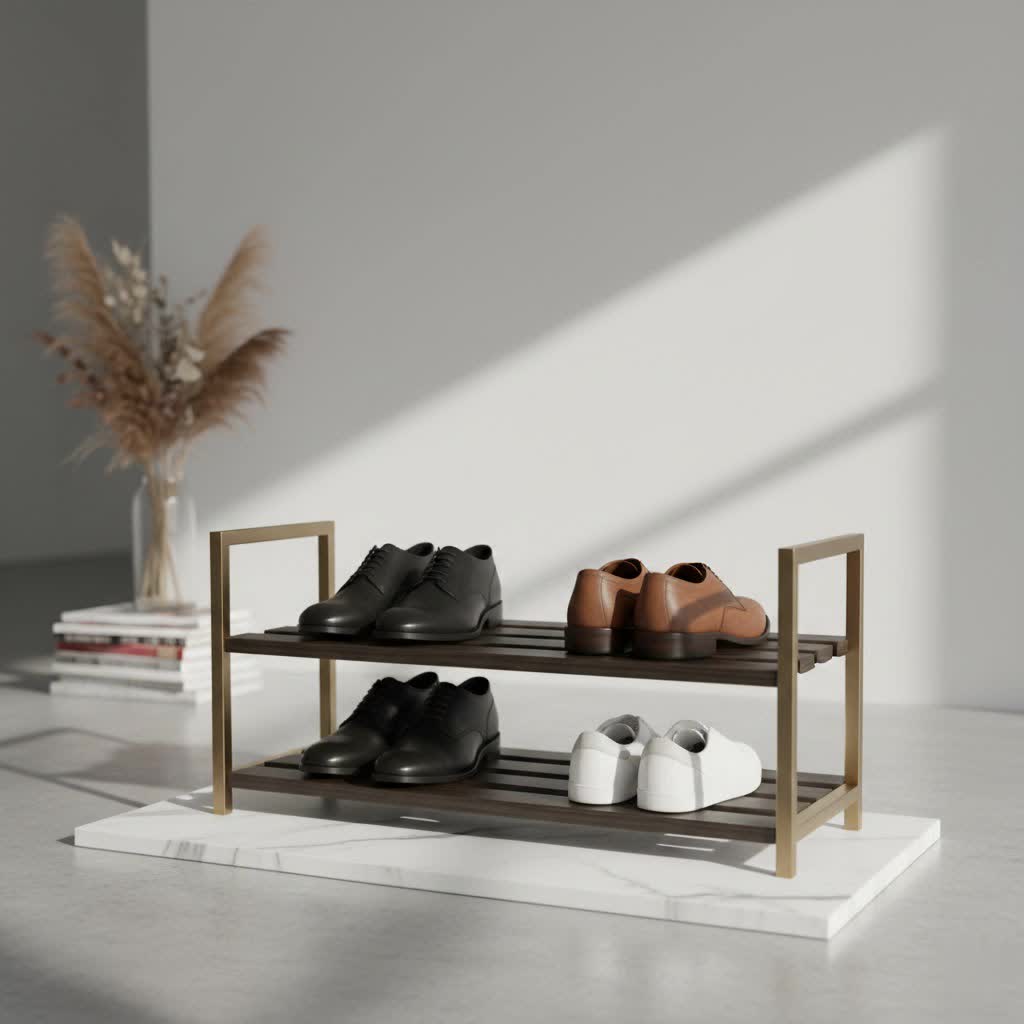
In the dynamic world of home furnishings, where both function and aesthetics constantly evolve, the humble shoe rack has transformed into a sophisticated storage solution. As an administrator for Reviewdansk.com with over a decade in interior design, particularly in shoe storage, I’ve observed firsthand how a well-chosen shoe rack can elevate a space. Beyond merely tidying up footwear, a closed shoe rack integrates seamlessly into your decor, protects your cherished collection, and brings a sense of calm to often-cluttered entryways or bedrooms. This comprehensive guide will share practical insights to help you select the ideal closed shoe rack that not only meets your organizational needs but also complements your living space and personal style.
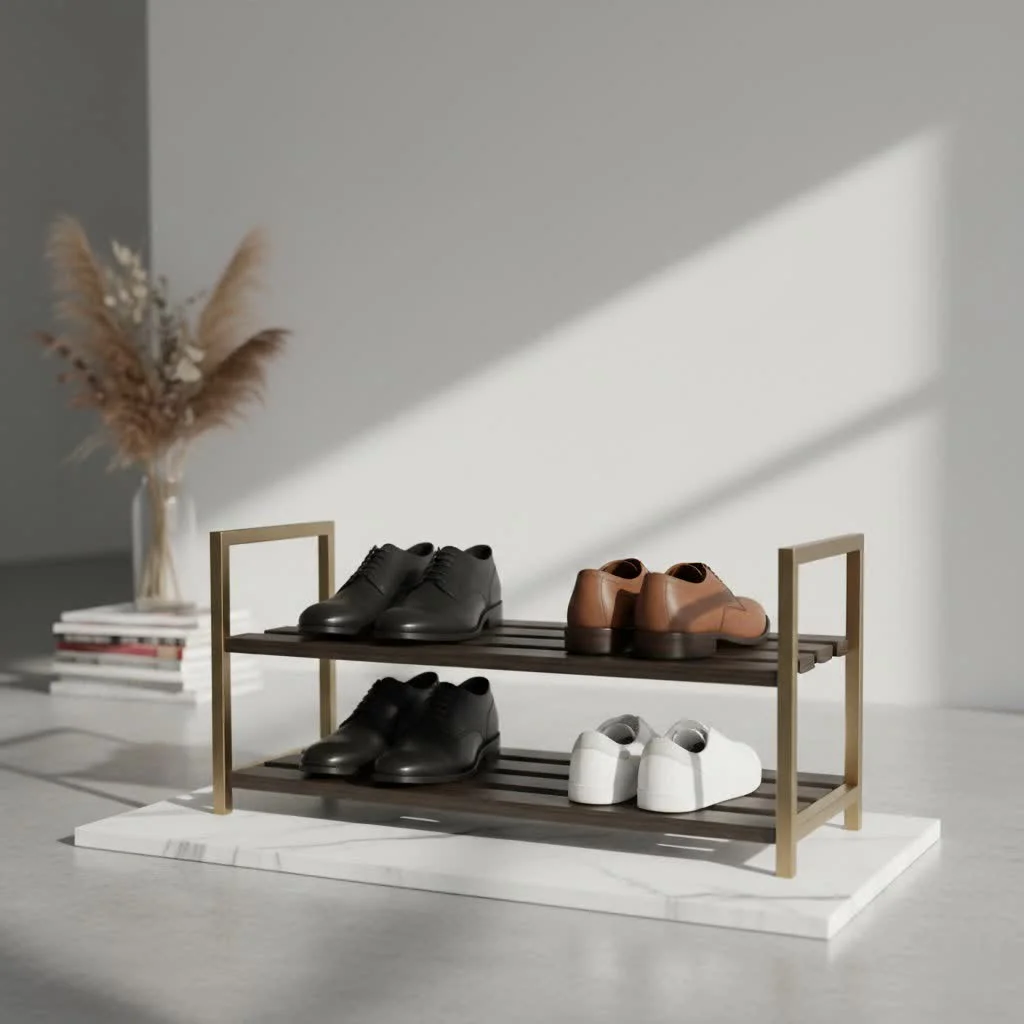
Popular Types of Closed Shoe Racks
Closed shoe racks are designed to conceal your footwear, offering a neat and stylish appearance while protecting shoes from dust and enhancing your home’s aesthetic. Different materials and designs cater to various needs and preferences.
Wooden Shoe Racks
- Advantages: Wooden closed shoe racks exude elegance and warmth, often blending beautifully with classic or rustic interior designs. They are typically robust and durable, providing a substantial piece of furniture that can last for years. Quality wooden cabinets can also offer better breathability if designed with slatted doors or panels.
- Disadvantages: Generally, wooden shoe racks come with a higher price tag. Without proper treatment, they can be susceptible to moisture damage or pests, especially in humid environments. Their weight can also make them less convenient to move.
- Best for: Homes with traditional, Scandinavian, or minimalist decor, where the shoe rack is intended to be a prominent furniture piece.
Metal Shoe Racks
- Advantages: Metal closed shoe racks are known for their strength, durability, and resistance to heavy loads. They are often easy to clean and maintain, and designs can range from industrial to sleek and modern. Some designs incorporate metal frames with other materials for closed panels.
- Disadvantages: Purely metal designs, while strong, might lack the aesthetic warmth of wood. If not properly powder-coated, metal can be prone to rust, especially in high-moisture areas.
- Best for: Contemporary, industrial, or minimalist interiors where a robust and no-fuss solution is preferred.
Plastic Shoe Racks
- Advantages: Plastic closed shoe racks are an affordable, lightweight, and often highly versatile option. Many designs feature individual transparent plastic boxes with magnetic doors, allowing you to see your shoes while keeping them dust-free. They are easy to clean and come in various colors.
- Disadvantages: While practical, plastic racks may lack the premium feel of wood or metal. Their durability can vary significantly based on the quality of the plastic, with some models being prone to warping or cracking over time.
- Best for: Students, renters, children’s rooms, or those seeking a temporary, budget-friendly, and highly customizable storage solution.
Fabric Shoe Racks
|
Our Picks for the Best Shoe Rack in 2026
As an Amazon Associate I earn from qualifying purchases.
|
||
| Num | Product | Action |
|---|---|---|
| 1 | SpaceAid 7 Tier Rotating Shoe Rack Tower, Spinning Shoe Display Lazy Susan, Revolving 360 Shoe Rack Storage Round Carousel, Vertical Handbag Rotate Shoes Closet Organization (7-Tier White) |

|
| 2 | HOOBRO Shoe Rack for Entryway, 5-Tier Shoe Organizer with Adjustable Mesh Shelves, 16-20 Pairs of Shoes, Spacious Floor Mount, Metal, Industrial, Shoe Shelf for Closet, Rustic Brown BF12XJ01 |
|
| 3 | FIDUCIAL HOME 10 Tiers Shoe Rack 20-25 Pairs Sturdy Shoe Shelf |
|
| 4 | 3 Tier Bamboo Shoe Rack for Closet Free Standing Wood Shoe Shelf Storage Organizer for Entryway Small Space Stackable 27"x11"x20" (Natural) |
|
| 5 | 3 Tier Shoe Rack for Closet, Shoe Organizer with 5 Hooks, Long Shoe Shelf Storage for Sneaker and Boot Stackable Free Standing Shoe Rack for Entryway, Garage, Small Spaces, Dorm |
|
| 6 | VTRIN 10 Tier Shoe Rack Tall Large Capacity 50 Pair Wide Shoe Organizer with Two Hooks Sturdy Metal Shoe Shelf for Entryway, Closet, Bedroom |
|
| 7 | RONGJlA 3 Tier Bamboo Shoe Rack for Closet Free Standing Wood Shoe Shelf Storage Organizer for Entryway Small Space Stackable, Natural |
|
| 8 | 8 Tier Shoe Rack, Shoe Storage Organizer, Large Capacity Shoe Shelf Holds 32 Pairs of Shoes, Sturdy and Stable, for Entryway, Hallway, Closet, Dorm Room, Rustic Brown SS08BR |
|
| 9 | ROJASOP Shoe Rack Organizer, 8-Tier Metal Shoe Rack for Closet Entryway Garage, 26-32 Pairs Tall Shoe Boot Storage Shelf with 15 Hooks, Stackable Large Shoe Stand |
|
| 10 | SONGMICS Shoe Rack Bench, 3-Tier Bamboo Shoe Storage Organizer, Entryway Bench, Holds Up to 286 lb, 11.3 x 27.6 x 17.8 Inches, for Entryway Bathroom Bedroom, Ink Black ULBS04H |
|
- Advantages: Fabric closed shoe racks are incredibly lightweight, portable, and budget-friendly. They often feature zippered covers, providing an enclosed space for shoes and protecting them from dust. Assembly is usually simple and requires no tools.
- Disadvantages: These racks offer the least durability and load-bearing capacity compared to other materials. The fabric can be challenging to clean thoroughly, and they may not offer the same level of aesthetic appeal as solid furniture pieces.
- Best for: Small apartments, dorm rooms, closets, or situations where a temporary, easily movable, and inexpensive storage option is needed.
Comparing Closed Shoe Rack Types
Choosing the right closed shoe rack involves weighing various factors against your specific needs. Here’s a detailed comparison to help guide your decision:
| Type | Price | Durability | Aesthetics | Load Capacity | Ease of Cleaning |
|---|---|---|---|---|---|
| Wood | High | High | High | Medium | Medium |
| Metal | Medium | High | Medium-High | High | Easy |
| Plastic | Low | Low-Medium | Low-Medium | Low-Medium | Easy |
| Fabric | Very Low | Low | Low | Low | Hard |
How to Choose the Perfect Closed Shoe Rack (Buying Guide)
Selecting a closed shoe rack is more than just picking a design; it’s about finding a solution that perfectly integrates into your lifestyle and home.
1. Determine Your Storage Needs
Start by assessing your shoe collection and the available space.
- Number of Shoes: How many pairs do you need to store? This dictates the required capacity of your rack. Small households might need a 2-tier unit, while larger families or avid collectors could require 5 tiers or more.
- Placement Area: Measure the exact dimensions of where the shoe rack will go—length, width, and height. Consider narrow corridors, small entryways, or specific closet spaces where slim, tall, or wall-mounted designs might be ideal.
- Interior Style: The shoe rack should complement your existing decor, not clash with it. A closed design is advantageous here as it can often mimic other furniture pieces.
2. Choose the Right Material
The material choice impacts durability, aesthetics, and maintenance.
- Wood (Natural or Engineered): Opt for treated wood to resist moisture and pests. Natural wood offers a classic, warm look, while engineered wood provides versatility at a more accessible price point.
- Metal: Look for powder-coated metal for rust resistance, especially if placed in areas with potential moisture. Metal is excellent for a modern, industrial, or minimalist vibe.
- Plastic: Select high-quality, sturdy plastic for better load-bearing and longevity. Clear or opaque designs are available, with magnetic doors offering convenient access and dust protection.
- Fabric: Choose thick, durable fabric that can withstand regular use. While offering less structural rigidity, fabric options with sturdy frames provide a lightweight and portable solution.
3. Consider Size and Design Features
Beyond basic storage, think about features that enhance usability.
- Dimensions: Ensure the rack fits your designated space without obstructing pathways. For small areas, look for vertical designs or slim cabinets with tilt-out doors.
- Ventilation: Proper airflow is crucial to prevent odors and moisture buildup inside a closed unit. Look for designs with slatted doors, mesh panels, or built-in ventilation holes. If your chosen rack lacks these, consider leaving doors slightly ajar or adding small vents.
- Adjustable Shelves: These offer flexibility to store various shoe types, from flats to boots.
- Additional Features: Some closed shoe racks come with drawers for accessories, a bench for sitting, or even integrated coat hangers, offering multi-functional benefits.
4. Brand Reputation and Price
- Reputable Brands: Invest in brands known for quality furniture to ensure your shoe rack is well-constructed and durable.
- Budget: Closed shoe racks range widely in price depending on material, size, and features. Compare options to find one that fits your budget without compromising essential qualities.
Tips for Organizing and Maintaining Your Closed Shoe Rack
Maximizing the functionality and lifespan of your closed shoe rack, and the shoes within it, requires thoughtful organization and regular care.
1. Organize Smartly
A systematic approach can transform your shoe storage.
- Categorize: Arrange shoes by type (casual, formal, athletic), color, or frequency of use. Keep frequently worn pairs on easily accessible shelves.
- Utilize Clear Storage: If your closed shoe rack doesn’t have transparent doors, consider using clear, stackable shoe boxes within the cabinet. Labeling these boxes or attaching photos of the shoes inside makes it easy to find what you need without rummaging.
- Maximize Vertical Space: Use shoe slot organizers or boot shapers to keep footwear upright and preserve their form, especially for tall boots.
2. Regular Cleaning
Maintaining cleanliness is key for both the rack and your shoes.
- Clean Shoes Before Storing: Always wipe down or clean shoes before placing them in the rack to prevent transferring dirt, dust, or moisture inside the cabinet.
- Wipe Down the Rack: Regularly clean the interior and exterior of your shoe rack with a damp cloth. Use cleaning solutions appropriate for the material (e.g., wood polish for wood, mild detergent for plastic/metal).
- Address Odors: Since closed racks contain odors, good ventilation is vital. For persistent smells, use shoe deodorizers, moisture-absorbing packets (like silica gel), or a small sachet of baking soda inside the cabinet.
3. Preserve Your Footwear
Extend the life of your shoes with proper storage habits.
- Air Out Damp Shoes: Never store wet or damp shoes directly into a closed rack. Allow them to air dry completely outside to prevent mold and unpleasant odors.
- Maintain Shoe Shape: Use shoe trees for leather shoes to absorb moisture and maintain their shape. For boots, use boot inserts to prevent creasing.
- Rotate Shoes: Regularly rotate your shoe collection, especially if you have seasonal footwear. Store off-season shoes in breathable bags or boxes in a climate-controlled area.
> “A good shoe rack not only helps you organize your footwear neatly but also becomes an integral part of your living space, reflecting your aesthetic taste.” – Anna Christensen, Interior Design Expert
Conclusion
Choosing the perfect closed shoe rack is an investment in both organization and style. By carefully considering your storage needs, preferred materials, essential features like ventilation, and overall aesthetic, you can find a solution that not only keeps your footwear impeccably tidy and protected from dust but also enhances the beauty and functionality of your home. From elegant wooden cabinets that blend seamlessly with classic decor to modern plastic units that offer clear visibility and easy cleaning, there’s a closed shoe rack designed for every home and every shoe lover.
What kind of stylish, dust-free haven will your shoes call home?
Frequently Asked Questions
Which type of closed shoe rack is best for a small apartment?
For small apartments, a slim, tall, or wall-mounted closed shoe rack with tilt-out drawers is often ideal. These designs maximize vertical space and minimize floor footprint, effectively concealing shoes without making the area feel cramped. Plastic stackable units with clear magnetic doors also work well due to their customizable nature and ability to fit into tight spaces.
Get our weekly buyer guide
Practical specs, not advice. Unsubscribe anytime.
