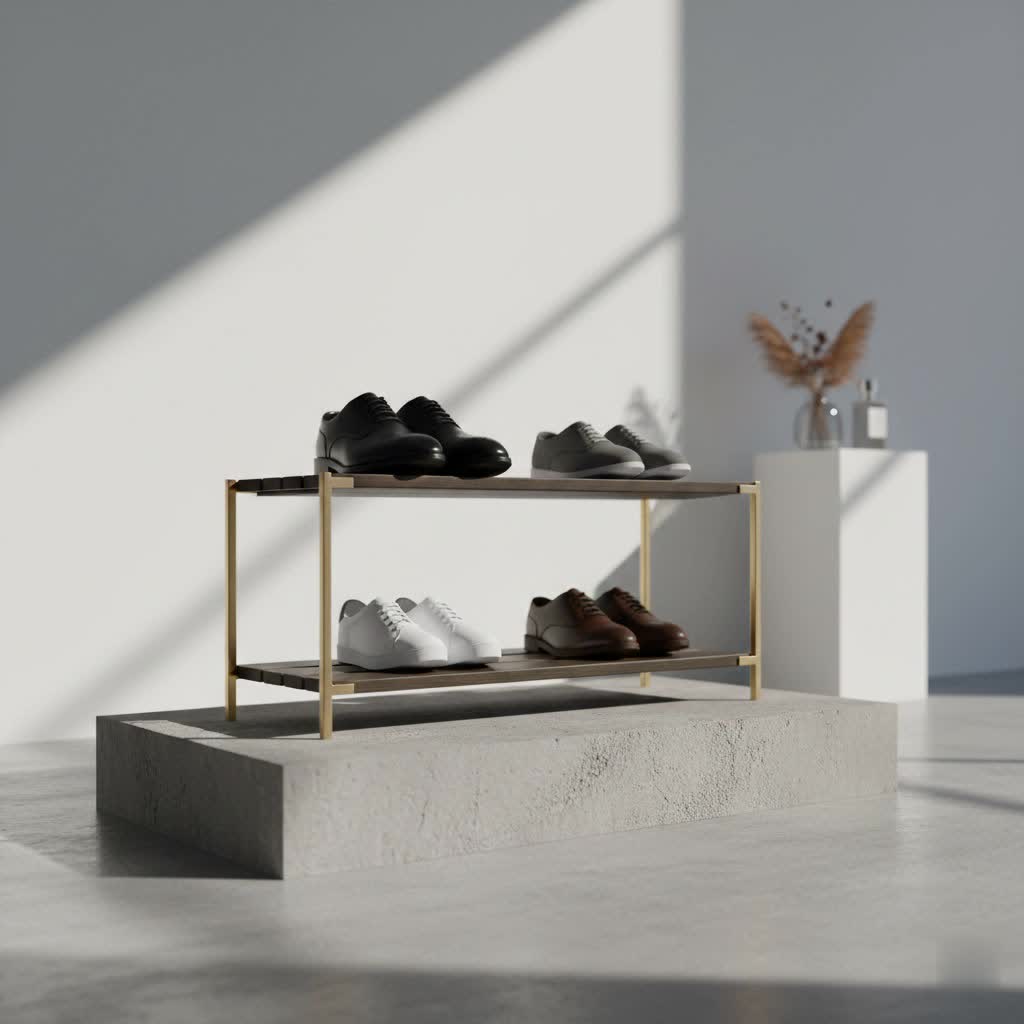
Navigating the world of home organization can be a challenge, especially when it comes to keeping a collection of larger footwear tidy and accessible. If you’ve ever wrestled with oversized sneakers, heavy-duty work boots, or substantial men’s shoes that refuse to fit neatly into standard racks, you understand the frustration. The right shoe rack isn’t just about storage; it’s about preserving your investment, maintaining a clutter-free home, and ensuring convenience. This guide, drawing on over a decade of expertise in home furnishing and storage solutions, is designed to help you find that ideal shoe rack tailored specifically for your substantial footwear, blending functionality with your home’s aesthetic.
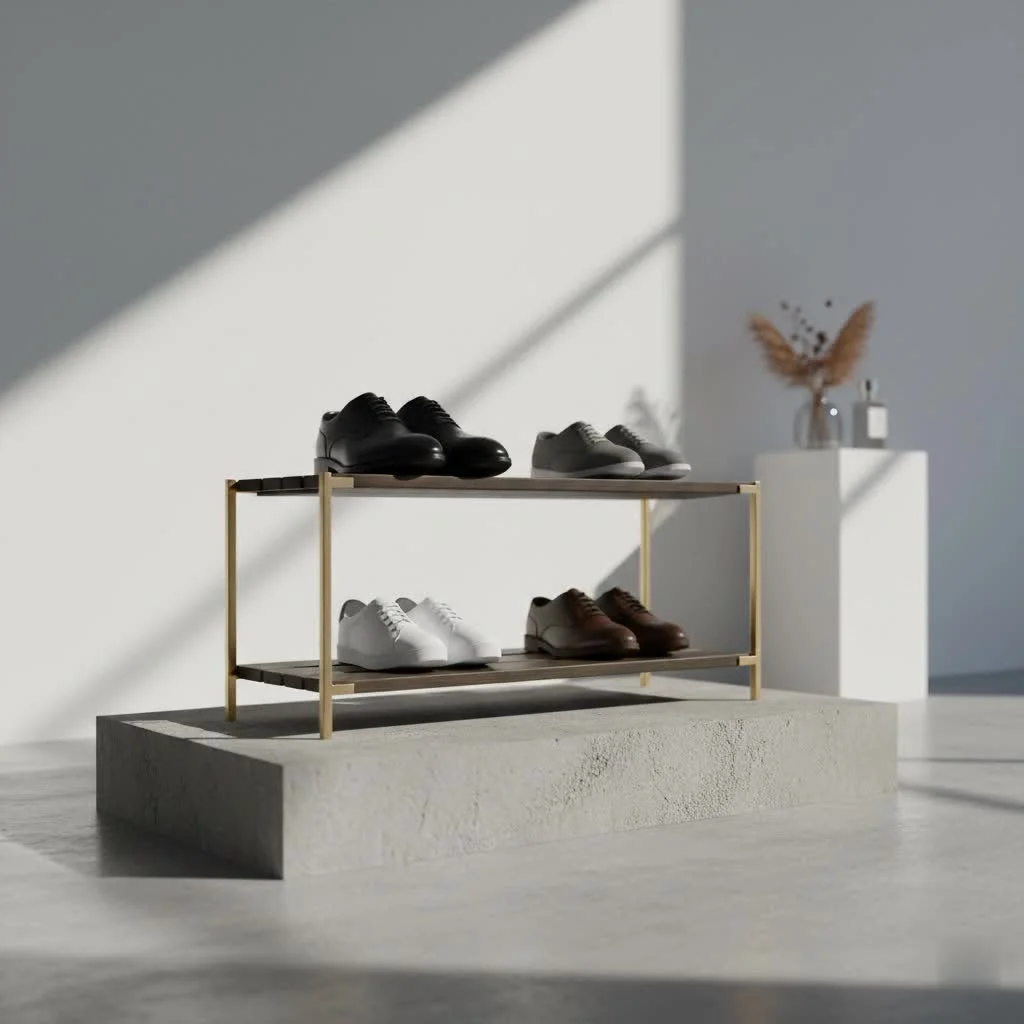
Popular Types of Shoe Racks for Larger Footwear
When dealing with large shoes, not all racks are created equal. The material and design significantly impact whether your footwear will fit comfortably, remain protected, and keep your space organized.
Wood Shoe Racks
Wood shoe racks offer a timeless appeal and robust construction, making them a popular choice. Their natural aesthetics can seamlessly integrate with various interior designs, from rustic to sophisticated.
- Advantages: Elegant, highly durable, and often available in designs that can be customized or have wider/deeper shelves. Solid wood provides excellent stability for heavier shoes and boots.
- Disadvantages: Typically higher in price compared to other materials. Untreated wood can be susceptible to moisture and pests, so look for treated or sealed options. May be heavy and less flexible if you need to reconfigure your space frequently.
- Best Suited For: Homes with classic or warm interiors, those seeking a long-term, sturdy solution, and individuals with a moderate to large collection of heavy shoes that require ample space.
Metal Shoe Racks
Metal shoe racks are champions of durability and industrial style. They are often the go-to for garages, mudrooms, or modern minimalist spaces due to their strength and often open-air design.
- Advantages: Exceptionally strong, capable of holding significant weight, and generally easy to clean. Many metal racks feature adjustable shelves, a crucial feature for accommodating varying shoe heights like boots and high-top sneakers. Their open design allows for excellent ventilation, which is beneficial for larger shoes that can retain moisture.
- Disadvantages: Can be prone to rust if not treated with a powder coating or rust-resistant finish. Some designs may appear less refined for formal living areas.
- Best Suited For: Modern, minimalist, or industrial-style homes, as well as areas where heavy use and durability are paramount, such as entryways or utility spaces.
Plastic Shoe Racks
|
Our Picks for the Best Shoe Rack in 2026
As an Amazon Associate I earn from qualifying purchases.
|
||
| Num | Product | Action |
|---|---|---|
| 1 | FIDUCIAL HOME 10 Tiers Shoe Rack 20-25 Pairs Sturdy Shoe Shelf |

|
| 2 | VTRIN 10 Tier Shoe Rack Tall Large Capacity 50 Pair Wide Shoe Organizer with Two Hooks Sturdy Metal Shoe Shelf for Entryway, Closet, Bedroom |
|
| 3 | 3 Tier Shoe Rack for Closet, Shoe Organizer with 5 Hooks, Long Shoe Shelf Storage for Sneaker and Boot Stackable Free Standing Shoe Rack for Entryway, Garage, Small Spaces, Dorm |
|
| 4 | 3 Tier Bamboo Shoe Rack for Closet Free Standing Wood Shoe Shelf Storage Organizer for Entryway Small Space Stackable 27"x11"x20" (Natural) |
|
| 5 | SpaceAid 7 Tier Rotating Shoe Rack Tower, Spinning Shoe Display Lazy Susan, Revolving 360 Shoe Rack Storage Round Carousel, Vertical Handbag Rotate Shoes Closet Organization (7-Tier White) |
|
| 6 | 8 Tier Shoe Rack, Shoe Storage Organizer, Large Capacity Shoe Shelf Holds 32 Pairs of Shoes, Sturdy and Stable, for Entryway, Hallway, Closet, Dorm Room, Rustic Brown SS08BR |
|
| 7 | SONGMICS Shoe Rack Bench, 3-Tier Bamboo Shoe Storage Organizer, Entryway Bench, Holds Up to 286 lb, 11.3 x 27.6 x 17.8 Inches, for Entryway Bathroom Bedroom, Ink Black ULBS04H |
|
| 8 | RONGJlA 3 Tier Bamboo Shoe Rack for Closet Free Standing Wood Shoe Shelf Storage Organizer for Entryway Small Space Stackable, Natural |
|
| 9 | ROJASOP Shoe Rack Organizer, 8-Tier Metal Shoe Rack for Closet Entryway Garage, 26-32 Pairs Tall Shoe Boot Storage Shelf with 15 Hooks, Stackable Large Shoe Stand |
|
| 10 | HOOBRO Shoe Rack for Entryway, 5-Tier Shoe Organizer with Adjustable Mesh Shelves, 16-20 Pairs of Shoes, Spacious Floor Mount, Metal, Industrial, Shoe Shelf for Closet, Rustic Brown BF12XJ01 |
|
Plastic shoe racks are known for their affordability and lightweight nature, making them a budget-friendly and versatile option.
- Advantages: Inexpensive, lightweight, and often available in various colors. Modular plastic systems can offer some flexibility in configuration.
- Disadvantages: Generally less durable than wood or metal, with a lower weight capacity, which can be an issue for heavy large shoes or boots. Can sag or warp over time, especially with consistent heavy loads. May not offer the aesthetic appeal desired for primary living areas.
- Best Suited For: Temporary storage, children’s shoes, or situations where budget and portability are the main concerns. Less ideal for a primary, long-term solution for large, heavy adult footwear.
Fabric Shoe Racks
Fabric shoe racks, often incorporating a metal frame with fabric shelves or pockets, are lightweight and typically very portable.
- Advantages: Extremely lightweight, easy to assemble, and highly portable. Often the most budget-friendly choice.
- Disadvantages: Limited weight capacity and less stable than other types. Difficult to clean and generally lack the robust support needed for large, heavy shoes. Aesthetic appeal is usually minimal.
- Best Suited For: Small spaces, dorm rooms, or seasonal storage for lightweight footwear. Not recommended for daily storage of large or heavy shoes due to potential sagging and lack of structural integrity.
Detailed Comparison of Shoe Rack Types
Choosing the right material means balancing cost, aesthetics, and functionality, especially when accommodating larger footwear.
Detailed Comparison Table
| Type of Rack | Price | Durability | Aesthetics | Weight Capacity | Ease of Cleaning | Suitability for Large Shoes (Depth/Height) |
|---|---|---|---|---|---|---|
| Wood | High | High | High | Medium-High | Medium | Good, especially if deep/tall shelves are chosen or custom-built. |
| Metal | Mid-High | High | Medium | High | High | Excellent, often features adjustable shelves and robust construction. |
| Plastic | Low | Low | Low | Low | High | Poor, often too shallow and flimsy for heavy, large shoes. |
| Fabric | Low | Low | Low | Very Low | Low | Very Poor, unsuitable for supporting the weight and dimensions of large shoes. |
Guide to Selecting the Ideal Shoe Rack
Finding a shoe rack that accommodates large footwear requires specific considerations beyond standard sizing. Think of this as your essential buying guide.
Defining Your Storage Needs
Before you even start looking at designs, a clear understanding of your requirements is paramount.
- Quantity and Size of Shoes: How many pairs of large shoes do you need to store? Are they mostly men’s sneakers (size 13+), work boots, or knee-high boots? Measure your longest, widest, and tallest pair of shoes. Standard shoe racks often assume smaller footwear, so actual measurements are crucial to avoid shoes overhanging or not fitting between shelves.
- Available Space: Carefully measure the exact height, width, and depth of the area where you plan to place the shoe rack. Account for doorways, walkways, and other furniture. For large shoes, a rack that protrudes too much can become a tripping hazard or simply look cumbersome. Vertical designs often maximize space in narrow areas, while wider, shallower units might work better in open entryways.
- Home Decor Style: Your shoe rack should complement your existing interior. A rustic wooden rack might clash in a minimalist modern home, just as a sleek metal unit might feel out of place in a farmhouse-style entry. Consider the overall aesthetic you want to maintain.
Material Choice for Durability
For large and often heavier shoes, material choice isn’t just about looks; it’s about structural integrity and longevity.
- Wood: Opt for solid wood (like oak, pine, or bamboo) over particle board, especially if dealing with heavy shoes. Ensure it’s treated for moisture and pests if placed in an entryway or garage. Wood offers stability but requires adequate depth and height for larger footwear.
- Metal: Look for heavy-gauge steel or iron frames with a powder-coated finish to prevent rust. Metal racks are excellent for weight-bearing and often feature adjustable shelves, which are a game-changer for accommodating different shoe heights, including boots and high-top sneakers.
- High-Quality Plastic: If budget-conscious, choose reinforced, sturdy plastic. However, be aware that even high-quality plastic might sag over time under the consistent weight of many large shoes. Avoid flimsy, lightweight options.
Size and Design: The Critical Fit
This is where many standard shoe racks fail when it comes to larger footwear. Focus on dimensions that truly fit.
- Depth: Standard racks typically offer 12-15 inches (30-38 cm) of depth, which is often too shallow for men’s size 10+ or boots. Aim for a depth of at least 18 inches (45 cm) to ensure large shoes fit entirely on the shelf without overhanging, preventing scuffs and tripping hazards.
- Shelf Height (Spacing): This is paramount for boots and high-top shoes.
- For regular large men’s shoes or bulkier sneakers, individual shelf spacing should be approximately 15-18 inches (38-45 cm).
- For knee-high boots, you’ll need even more vertical clearance, ideally around 24 inches (60 cm), to allow them to stand upright without creasing. Many adjustable metal or modular systems allow you to customize these heights.
- Design: Consider open racks for ventilation and easy access in high-traffic areas. Closed cabinets or drop-front boxes offer a tidier look and dust protection, but ensure internal dimensions are sufficient for your largest pairs. Stackable or modular designs offer flexibility to expand as your collection grows or reconfigure for different shoe types.
Brand and Price Considerations
Investing in a quality shoe rack for large shoes often means spending a bit more upfront, but it pays off in durability and proper storage.
- Reputable Brands: Seek out brands known for robust home organization solutions. Read reviews specifically from users with larger shoe sizes to gauge real-world performance.
- Value for Money: Compare features, materials, and dimensions across different price points. A slightly higher investment in a rack with adjustable shelves and durable construction will prevent the need for replacement and protect your footwear.
“A well-chosen shoe rack for large shoes isn’t just a storage item; it’s a foundation for an organized entryway, a protector of valuable footwear, and a subtle statement of care for your belongings.”
Smart Organization and Maintenance Tips for Large Shoe Racks
Once you’ve selected the perfect shoe rack, thoughtful organization and regular maintenance will ensure it remains effective and your shoes stay in prime condition.
Strategic Arrangement
Optimizing your shoe rack for large shoes involves more than just placing them.
- Categorize Your Footwear: Group shoes by type (boots, sneakers, dress shoes) or by frequency of use. Place frequently worn pairs on easily accessible shelves, and seasonal or less-worn items higher up or in closed storage.
- Utilize Vertical Space for Boots: For tall boots, use boot shapers or stuff them with old magazines/pool noodles to help them retain their shape and stand upright. If your rack has adjustable shelves, ensure ample height to prevent creasing. Some specialized boot racks use pegs or dowels to store boots inverted, which is excellent for maintaining shape and airing them out.
- Maximize Shelf Space: For wider shoes, consider placing them slightly angled or using shoe slots to double the capacity on a single shelf if depth allows. Ensure at least an inch of space between pairs for air circulation.
Regular Cleaning
Keeping your shoe rack clean is essential for hygiene and extending its life.
- Routine Dusting: Dust shelves regularly to prevent dirt and debris from accumulating on your shoes.
- Deep Cleaning: For wooden racks, wipe with a damp cloth and mild wood cleaner. Metal racks can be cleaned with a damp cloth and an all-purpose cleaner. Ensure all surfaces are dry to prevent moisture damage or rust.
- Address Spills Immediately: If muddy boots or wet shoes leave marks, clean the area promptly to prevent stains or mildew.
Footwear Preservation
Proper storage helps prolong the life and appearance of your large shoes.
- Clean Before Storing: Always clean mud and dirt off your shoes before placing them on the rack. This prevents transferring grime to other shoes and keeps the rack cleaner.
- Air Out Damp Shoes: Never put damp shoes directly onto a rack, especially a closed one. Allow them to air dry completely to prevent odor and mildew.
- Use Shoe Trees or Shapers: For high-quality leather shoes or boots, shoe trees or boot shapers help absorb moisture and maintain their original shape, preventing creases and cracks.
- Consider Clear Drop-Front Boxes: For valuable sneakers or dress shoes, individual clear drop-front boxes (available in extended sizes up to men’s size 16) offer dust protection, visibility, and a stackable, modular system for an organized display.
Conclusion
Choosing the ideal shoe rack for your large shoes doesn’t have to be a daunting task. By carefully considering your specific needs—the actual size and quantity of your footwear, the dimensions of your available space, and the desired aesthetic—you can make an informed decision. Prioritize racks with ample depth and adjustable shelf heights, opting for durable materials like wood or metal that can withstand the weight of bulkier items. Thoughtful organization and regular maintenance will not only preserve your shoes but also transform a cluttered corner into a well-ordered and stylish part of your home. Ready to elevate your shoe storage game and give every pair a proper, spacious home?
Frequently Asked Questions
Which shoe rack type is best suited for men’s size 13+ shoes?
For men’s size 13+ shoes, metal racks with adjustable shelves or sturdy wooden racks are generally best. Look for designs with a depth of at least 18 inches (45 cm) and adjustable shelf spacing of 15-18 inches (38-45 cm) to ensure adequate fit and prevent overhang. Modular clear drop-front boxes designed for “XL” sizes (up to men’s size 16) are also excellent for protection and organization.
How do I store tall boots without them losing their shape or creasing?
To prevent tall boots from creasing or losing shape, use boot shapers, stuff them with old magazines, pool noodles, or plastic bags to keep them upright. Store them on racks with at least 24 inches (60 cm) of vertical clearance or use specialized boot racks with dowels that allow them to hang inverted.
What is the ideal shelf depth for large sneakers and work boots?
The ideal shelf depth for large sneakers and work boots is approximately 18 inches (45 cm). This depth ensures that the entire shoe, from toe to heel, rests securely on the shelf without protruding, which prevents damage and tripping hazards.
Can over-the-door shoe organizers accommodate large shoes?
Some over-the-door organizers feature larger pockets that can accommodate substantial shoes, often up to men’s size 14 or 15. However, these usually require storing one shoe per pocket, and larger sizes may stick out slightly. Always check the product specifications for pocket dimensions.
How can I make a shoe rack fit my large shoe collection in a small apartment?
In a small apartment, maximize vertical space. Look for tall, narrow shoe cabinets or multi-tiered racks. Adjustable or modular designs are key, allowing you to customize shelf heights for different shoe sizes, including boots. Over-the-door organizers or under-bed storage can also be good supplementary options for larger shoes, provided they have adequate dimensions.
Get our weekly buyer guide
Practical specs, not advice. Unsubscribe anytime.
