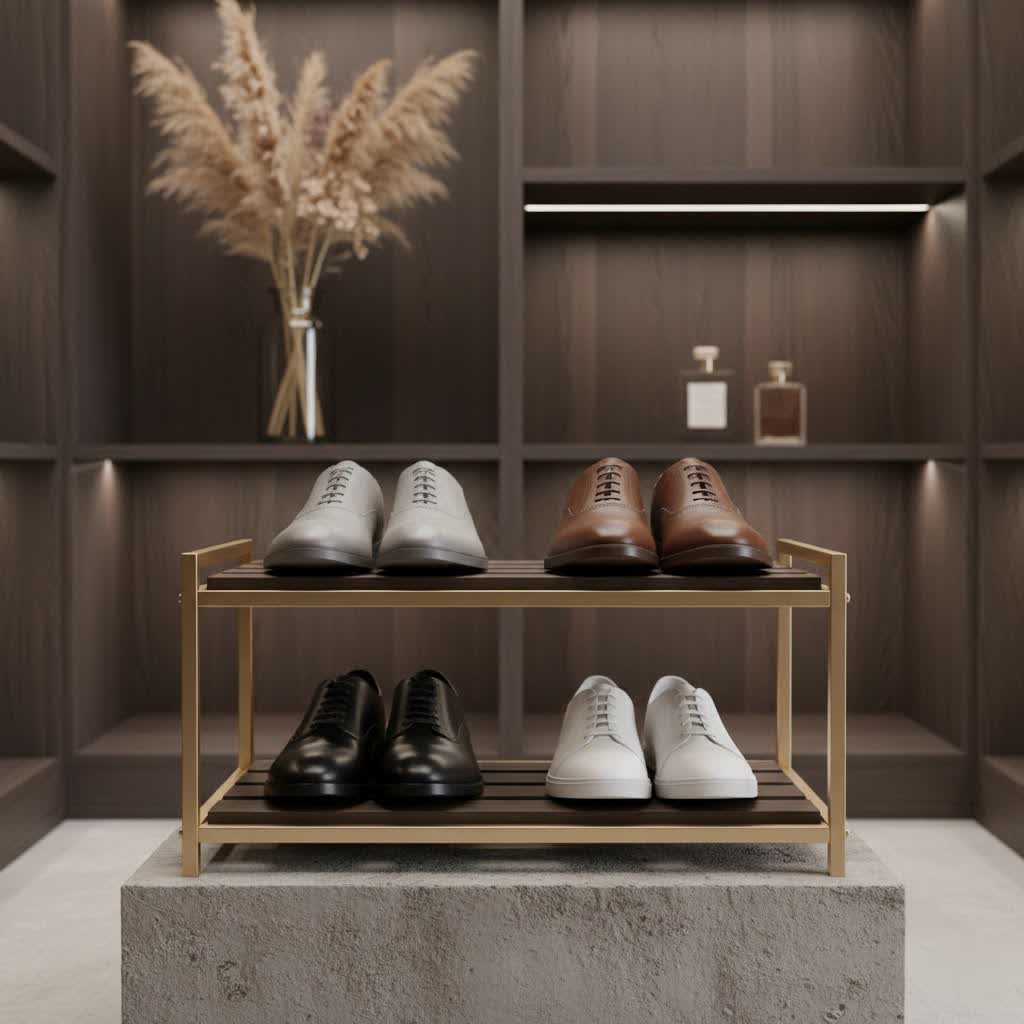
Finding the ideal storage solution for your footwear can often feel like a never-ending quest, especially when dealing with limited space. Whether you live in a cozy apartment, a bustling family home with a small entryway, or simply desire a more organized closet, a narrow shoe rack is the answer to transform clutter into calm. This comprehensive guide, informed by over a decade of experience in furniture and storage solutions, will walk you through everything you need to know to select a shoe rack that not only fits your space but also complements your home’s aesthetic and simplifies your daily routine.
Understanding Narrow Shoe Racks: Types and Designs
Narrow shoe racks come in various forms, each designed to maximize storage in minimal footprints. Choosing the right type depends on your specific needs, the available space, and your personal style preferences. For more home organization guides on this site.
Narrow Shoe Cabinets
Often featuring flip-down doors or standard cabinet doors, these units offer a sleek, enclosed look that keeps shoes neatly out of sight. They are typically shallow, making them ideal for tight hallways and entryways where space is at a premium.
- Pros: Provide concealed storage, protect shoes from dust, offer a clean and modern aesthetic.
- Cons: Can be challenging for taller boots or bulkier footwear, assembly can sometimes be intricate.
- Best for: Modern interiors, entryways, and areas where a polished, clutter-free appearance is desired.
Tall Vertical Shoe Racks
These racks make the most of vertical space, often featuring multiple tiers to hold numerous pairs of shoes while occupying a very small floor area. They can range from open-shelf designs to more enclosed towers.
- Pros: Excellent for maximizing storage capacity in tight corners or narrow closets, good ventilation if open-shelf.
- Cons: Shoes may be exposed to dust if open, can sometimes look less decorative depending on the design.
- Best for: Closets, utility rooms, mudrooms, or any space where maximizing shoe count is a priority over aesthetics.
Slim Open Shelf Shoe Racks
Characterized by their simple, exposed shelving, these narrow racks offer straightforward shoe organization. They are typically lightweight and easy to access, making them a practical choice for everyday footwear.
- Pros: Easy access to shoes, excellent ventilation, generally simple to assemble and move.
- Cons: Shoes are visible and prone to dust accumulation, may not suit formal decor styles.
- Best for: Casual use, entryways, or inside closets where quick retrieval and airflow are important.
Wall-Mounted Shoe Organizers
These innovative solutions attach directly to your wall, freeing up valuable floor space. They come in various designs, from minimalist ledges to multi-pocket organizers.
- Pros: Completely clears floor space, provides a minimalist and modern look, can be installed at desired heights.
- Cons: Requires installation, capacity might be more limited compared to freestanding units, not suitable for renters who cannot drill into walls.
- Best for: Small entryways, minimalist decor, or when you want to keep floors entirely clear.
Over-the-Door Shoe Organizers
|
Our Picks for the Best Shoe Rack in 2026
As an Amazon Associate I earn from qualifying purchases.
|
||
| Num | Product | Action |
|---|---|---|
| 1 | FIDUCIAL HOME 10 Tiers Shoe Rack 20-25 Pairs Sturdy Shoe Shelf |

|
| 2 | 3 Tier Shoe Rack for Closet, Shoe Organizer with 5 Hooks, Long Shoe Shelf Storage for Sneaker and Boot Stackable Free Standing Shoe Rack for Entryway, Garage, Small Spaces, Dorm |
|
| 3 | ROJASOP Shoe Rack Organizer, 8-Tier Metal Shoe Rack for Closet Entryway Garage, 26-32 Pairs Tall Shoe Boot Storage Shelf with 15 Hooks, Stackable Large Shoe Stand |
|
| 4 | 8 Tier Shoe Rack, Shoe Storage Organizer, Large Capacity Shoe Shelf Holds 32 Pairs of Shoes, Sturdy and Stable, for Entryway, Hallway, Closet, Dorm Room, Rustic Brown SS08BR |
|
| 5 | RONGJlA 3 Tier Bamboo Shoe Rack for Closet Free Standing Wood Shoe Shelf Storage Organizer for Entryway Small Space Stackable, Natural |
|
| 6 | 3 Tier Bamboo Shoe Rack for Closet Free Standing Wood Shoe Shelf Storage Organizer for Entryway Small Space Stackable 27"x11"x20" (Natural) |
|
| 7 | VTRIN 10 Tier Shoe Rack Tall Large Capacity 50 Pair Wide Shoe Organizer with Two Hooks Sturdy Metal Shoe Shelf for Entryway, Closet, Bedroom |
|
| 8 | SpaceAid 7 Tier Rotating Shoe Rack Tower, Spinning Shoe Display Lazy Susan, Revolving 360 Shoe Rack Storage Round Carousel, Vertical Handbag Rotate Shoes Closet Organization (7-Tier White) |
|
| 9 | HOOBRO Shoe Rack for Entryway, 5-Tier Shoe Organizer with Adjustable Mesh Shelves, 16-20 Pairs of Shoes, Spacious Floor Mount, Metal, Industrial, Shoe Shelf for Closet, Rustic Brown BF12XJ01 |
|
| 10 | SONGMICS Shoe Rack Bench, 3-Tier Bamboo Shoe Storage Organizer, Entryway Bench, Holds Up to 286 lb, 11.3 x 27.6 x 17.8 Inches, for Entryway Bathroom Bedroom, Ink Black ULBS04H |
|
An incredibly efficient and budget-friendly option, these organizers hang over standard doors, utilizing otherwise unused space. They often feature multiple pockets or shelves.
- Pros: Utilizes overlooked space, extremely narrow, very affordable, no assembly typically required.
- Cons: Can look cluttered, not ideal for all shoe types (e.g., heavy boots), may interfere with door closure.
- Best for: Inside closet doors, dorm rooms, or temporary storage solutions.
Narrow Shoe Benches
Combining storage with a convenient seating area, these benches are perfect for entryways, offering a spot to sit while putting on or taking off shoes, with storage tucked underneath.
- Pros: Dual functionality of storage and seating, adds a welcoming touch to entryways, available in various styles.
- Cons: Generally wider than other narrow options, which might not suit the absolute narrowest spaces.
- Best for: Entryways, mudrooms, or hallways where comfort and practicality are equally important.
Materials Matter: Choosing for Durability and Style
The material of your narrow shoe rack plays a significant role in its durability, maintenance, and how well it integrates with your home’s decor.
Wooden Narrow Shoe Racks
Wooden shoe racks bring a classic, warm, and sophisticated touch to any space. Options range from solid hardwoods like oak and teak to engineered wood products.
- Pros: Elegant and timeless, offers robust durability when made from solid wood, comes in a variety of finishes and designs.
- Cons: Can be heavier and more expensive than other materials, susceptible to moisture damage if not properly treated.
- Ideal for: Classic or rustic interiors, long-term investment pieces that exude quality.
Metal Narrow Shoe Racks
Metal shoe racks, often made from steel or wrought iron, offer a contemporary and industrial aesthetic. They are known for their strength and stability.
- Pros: Incredibly sturdy and durable, excellent weight capacity, easy to clean, resistant to pests.
- Cons: Can be prone to rust if not treated with a rust-resistant coating, may look less “warm” than wood.
- Ideal for: Modern, industrial, or minimalist spaces, and for storing a large number of heavy shoes.
Bamboo Narrow Shoe Racks
As a rapidly renewable resource, bamboo is an eco-friendly choice that provides a natural, light aesthetic. It’s surprisingly strong and often moisture-resistant.
- Pros: Sustainable and eco-friendly, lightweight yet sturdy, naturally resistant to moisture, adds a touch of natural elegance.
- Cons: May not be as robust as solid hardwood or metal for extremely heavy loads, can sometimes splinter if low quality.
- Ideal for: Scandinavian, minimalist, or eco-conscious decor, and for damp environments like mudrooms.
Plastic Narrow Shoe Racks
Plastic shoe racks are a budget-friendly and highly versatile option. They are typically lightweight and come in a wide array of colors and designs.
- Pros: Very affordable, lightweight and portable, easy to clean, available in many colors.
- Cons: Generally less durable and may look less premium, can sometimes warp or become brittle over time.
- Ideal for: Temporary solutions, children’s rooms, utility areas, or for those on a strict budget.
Fabric Narrow Shoe Racks
Often featuring non-woven fabric shelves supported by metal or plastic frames, these racks are exceptionally lightweight and flexible.
- Pros: Extremely lightweight and portable, easy to assemble and disassemble, very budget-friendly, often collapsible.
- Cons: Low durability and weight capacity, difficult to clean thoroughly, offers minimal protection from dust.
- Ideal for: Inside closets, dorm rooms, or for storing lightweight seasonal footwear.
Comparison of Narrow Shoe Rack Materials
To help you decide, here’s a detailed comparison of popular narrow shoe rack materials:
| Material | Price | Durability | Aesthetic | Weight Capacity | Ease of Cleaning |
|---|---|---|---|---|---|
| Wood | High | High | Elegant | Medium-High | Medium |
| Metal | Medium | High | Modern | High | Easy |
| Bamboo | Medium | Medium-High | Natural | Medium | Easy |
| Plastic | Low | Low | Basic | Low | Easy |
| Fabric | Low | Low | Casual | Low | Difficult |
Narrow Shoe Rack Buying Guide: Key Considerations
Choosing the perfect narrow shoe rack requires a thoughtful assessment of your needs and space. Here’s what to keep in mind:
1. Measure Your Space Accurately
Before you even start browsing, grab a tape measure. Accurately measure the height, width, and depth of the area where you intend to place the shoe rack. Don’t forget to account for any architectural details, such as baseboards, or clearance needed for doors and drawers to open fully. For narrow hallways, consider options with a minimal depth (e.g., 8-12 inches) or those that utilize vertical space more efficiently.
2. Assess Your Shoe Collection
Think about the number and types of shoes you need to store. Do you primarily own flats and sneakers, or do you have a significant collection of high heels, boots, or bulky athletic shoes?
- Capacity: Ensure the rack can comfortably accommodate your current shoe count, with some room for future additions.
- Shelf Height and Depth: Standard shelves (12-15 inches deep, 18 inches high) work for most shoes, but boots and stilettos may require 24-inch high compartments. Some narrow shoe cabinets are designed with “flip-down” drawers that store shoes vertically to save space.
3. Consider Capacity vs. Footprint
The goal of a narrow shoe rack is to maximize storage in a small footprint. Look for designs that are tall and slender rather than wide and deep. For instance, a tall, multi-tiered rack or a shoe cabinet with flip-down drawers can store many pairs without encroaching too much into your walkway.
4. Design and Aesthetics
Your shoe rack should not only be functional but also complement your home’s decor.
- Open vs. Closed Storage: Open racks offer easy access and ventilation but expose shoes to dust. Closed cabinets or flip-drawer units provide a cleaner, more discreet look and protect shoes from dust.
- Style Match: Choose a material and finish that aligns with your interior design, whether it’s the rustic charm of wood, the sleekness of metal, or the natural appeal of bamboo.
5. Durability and Stability
Especially important for frequently used items, ensure your narrow shoe rack is built to last.
- Material Quality: Invest in materials that can withstand daily use and the weight of your shoes.
- Construction: Look for sturdy joints and stable bases. For taller, narrower units, an anti-tipping design or the ability to secure it to the wall is crucial for safety.
- Weight Capacity: Check the product specifications to ensure it can support your heaviest footwear.
6. Assembly and Maintenance
Consider how easy the unit is to assemble and maintain. Some racks arrive fully assembled, while others require extensive setup. Evaluate the cleaning requirements for the material you choose. For instance, metal is generally easier to wipe clean than fabric.
7. Budget
Narrow shoe racks are available at various price points. Determine your budget and balance it with the desired material quality, design, and durability. Remember that a slightly higher investment upfront can often lead to a more durable and satisfying long-term solution.
Maximizing Your Narrow Shoe Rack: Organization and Care Tips
Once you’ve chosen your perfect narrow shoe rack, implementing smart organization and care routines will ensure it serves you well for years to come.
Smart Organization Strategies
- Sort by Category: Organize shoes by type (sneakers, heels, sandals), season, or frequency of use. Place daily worn shoes on easily accessible shelves.
- Utilize Inserts/Boxes: For smaller shoes like flats or sandals, consider clear shoe boxes or dividers to stack them vertically or keep pairs together, maximizing each shelf’s capacity.
- Toe-to-Heel Alternation: On open shelves, placing shoes with one toe-in and the other heel-in can sometimes save an inch or two of space per pair, especially for wider shoes.
Regular Cleaning and Maintenance
- Dust Regularly: Wipe down your shoe rack shelves weekly to prevent dust and grime buildup.
- Clean Before Storing: Always clean any dirt or mud from your shoes before placing them on the rack to keep the unit clean and prevent odors.
- Moisture Control: If your rack is in a damp area, consider using silica gel packets or small dehumidifiers to protect wooden and fabric racks from moisture and prevent mildew.
- Check Fittings: Periodically inspect and tighten any loose screws or fittings, especially for racks that are frequently moved or used.
Ventilation is Key
Good airflow is essential to prevent odors, especially in narrow, enclosed spaces.
- Air Out Shoes: Allow shoes to air out for a few hours after wearing them before placing them on the rack.
- Slatted Designs: If using a cabinet, consider one with slatted doors or small ventilation holes. Open cabinet doors periodically to allow air circulation.
“A well-chosen narrow shoe rack doesn’t just store shoes; it reclaims valuable space, elevates your home’s ambiance, and simplifies your daily life, proving that functionality and style can perfectly coexist in even the tightest spots.”
Frequently Asked Questions
What is the ideal depth for a narrow shoe rack?
For standard shoes, a depth of 12 to 15 inches is generally suitable. However, for genuinely “narrow” spaces, you can find ultra-slim shoe cabinets with depths as little as 8 to 10 inches, often using flip-down drawers that store shoes vertically.
How many pairs of shoes can a narrow shoe rack hold?
The capacity varies significantly based on design. A compact narrow rack might hold 6-9 pairs, while a tall, multi-tiered unit can easily store 18-24 pairs or more. Flip-drawer cabinets typically hold 2 pairs per drawer.
Are narrow shoe cabinets suitable for boots?
While some narrow cabinets might accommodate ankle boots on adjustable shelves, most standard narrow cabinets, especially flip-down drawer styles, are generally not ideal for tall boots. You might need to look for specific boot racks or a cabinet with dedicated taller compartments.
Can a narrow shoe rack improve the aesthetics of a small entryway?
Absolutely! By keeping shoes organized and off the floor, a narrow shoe rack immediately reduces clutter, making a small entryway appear larger and more inviting. Choosing a design and material that complements your existing decor further enhances the aesthetic.
What materials are best for a narrow shoe rack in a humid environment?
In humid areas, metal shoe racks with rust-resistant coatings or bamboo are excellent choices due to their natural resistance to moisture. Plastic is also a good option for moisture resistance, though it may lack the aesthetic appeal of other materials.
Get our weekly buyer guide
Practical specs, not advice. Unsubscribe anytime.

This was really helpful in narrowing down my options. I appreciated the breakdown of different types of narrow shoe racks. I went with a stackable metal rack for my closet, and it’s working out great. My only minor complaint is that some of my bulkier boots don’t fit perfectly on every shelf, but it’s still a huge improvement.
I’ve been struggling with shoe clutter in my small entryway for ages, and this guide was a lifesaver. I ended up getting one of the narrow shoe cabinets mentioned, and it’s made such a difference! My shoes are finally organized and out of sight, and it doesn’t take up much space at all. Highly recommend for anyone with limited room.
I was hoping to find more budget-friendly options for under $30. While the information on maximizing space was good, many of the examples seemed a bit out of my price range. I did find some useful tips for measuring my space, which helped me avoid buying something too big for my tiny apartment entryway.
Finally, a solution for our family’s shoe pile-up by the back door! The guide’s emphasis on durability for high-traffic areas really resonated with me. We chose a sturdy, wall-mounted narrow rack, and it’s holding up perfectly to daily use from four people. No more tripping over sneakers!