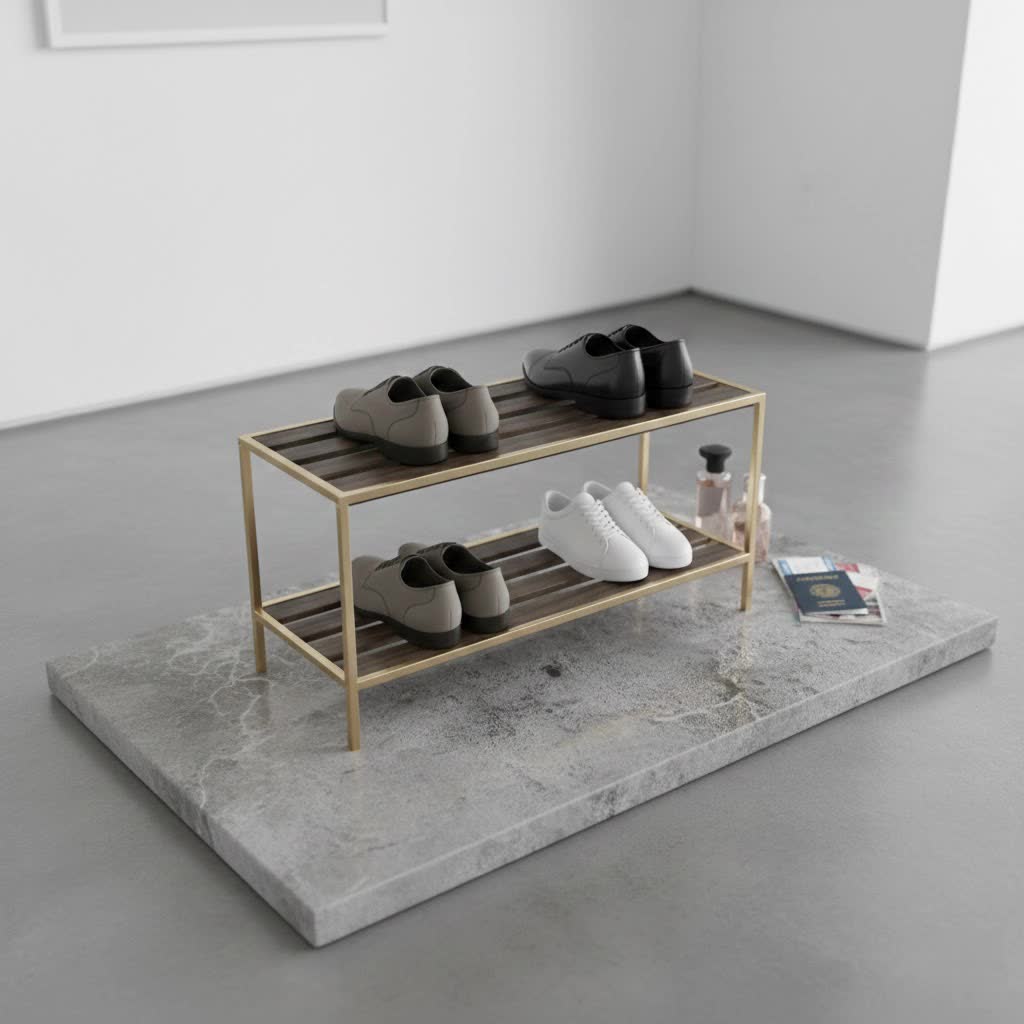
As an Admin of Reviewdansk.com, a platform dedicated to home product reviews and insights, and with over a decade of experience in furniture, especially shoe storage solutions, I’ve seen the market evolve alongside consumer needs. Selecting the right shoe rack goes beyond mere functionality; it’s about aesthetics, convenience, and how seamlessly it integrates into your living space. This article distills practical wisdom to help you find the shoe rack that perfectly matches your home and lifestyle.

Popular Types of Shoe Racks
Understanding the various materials and designs available is the first step in finding a shoe rack that meets your needs and enhances your home’s appeal. Each type offers distinct advantages and disadvantages, catering to different styles and requirements. For best home organization roundups on this site.
Wooden Shoe Racks
Wooden shoe racks exude a timeless elegance and warmth, making them a classic choice for many homes. Often crafted from materials like oak, pine, or engineered wood, they bring a natural charm and sophistication to any space.
- Pros: They offer a luxurious and sturdy feel, blending well with various interior designs from traditional to modern minimalist. With proper care, wood is incredibly durable and can last for many years, supporting heavy footwear collections without issue.
- Cons: High-quality wooden racks can be more expensive than other materials. Without proper treatment, they can be susceptible to moisture damage and pests like termites, requiring regular maintenance to preserve their appearance and integrity.
- Best suited for: Homes with classic, rustic, or warm interior styles, where the shoe rack is intended to be a lasting piece of furniture that contributes to the overall decor.
Metal Shoe Racks
Metal shoe racks are favored for their robust construction and often minimalist, industrial aesthetic. Typically made from steel or wrought iron, they are built to withstand the rigors of daily use and heavy loads.
- Pros: Renowned for their strength and durability, metal racks can support a substantial number of shoes, including heavier boots, without bending or sagging. They are generally easy to clean and maintain, and their sleek design can complement modern or minimalist decor.
- Cons: If not properly coated or treated (e.g., with powder coating or chrome finish), metal can be prone to rust, especially in humid environments. Some designs might feel less “warm” than wood, depending on your aesthetic preference.
- Best suited for: Contemporary, industrial, or minimalist interiors where durability, strength, and ease of maintenance are paramount. They are also excellent for garages or mudrooms.
Plastic Shoe Racks
|
Our Picks for the Best Shoe Rack in 2026
As an Amazon Associate I earn from qualifying purchases.
|
||
| Num | Product | Action |
|---|---|---|
| 1 | 3 Tier Bamboo Shoe Rack for Closet Free Standing Wood Shoe Shelf Storage Organizer for Entryway Small Space Stackable 27"x11"x20" (Natural) |

|
| 2 | SONGMICS Shoe Rack Bench, 3-Tier Bamboo Shoe Storage Organizer, Entryway Bench, Holds Up to 286 lb, 11.3 x 27.6 x 17.8 Inches, for Entryway Bathroom Bedroom, Ink Black ULBS04H |
|
| 3 | HOOBRO Shoe Rack for Entryway, 5-Tier Shoe Organizer with Adjustable Mesh Shelves, 16-20 Pairs of Shoes, Spacious Floor Mount, Metal, Industrial, Shoe Shelf for Closet, Rustic Brown BF12XJ01 |
|
| 4 | RONGJlA 3 Tier Bamboo Shoe Rack for Closet Free Standing Wood Shoe Shelf Storage Organizer for Entryway Small Space Stackable, Natural |
|
| 5 | ROJASOP Shoe Rack Organizer, 8-Tier Metal Shoe Rack for Closet Entryway Garage, 26-32 Pairs Tall Shoe Boot Storage Shelf with 15 Hooks, Stackable Large Shoe Stand |
|
| 6 | VTRIN 10 Tier Shoe Rack Tall Large Capacity 50 Pair Wide Shoe Organizer with Two Hooks Sturdy Metal Shoe Shelf for Entryway, Closet, Bedroom |
|
| 7 | 8 Tier Shoe Rack, Shoe Storage Organizer, Large Capacity Shoe Shelf Holds 32 Pairs of Shoes, Sturdy and Stable, for Entryway, Hallway, Closet, Dorm Room, Rustic Brown SS08BR |
|
| 8 | 3 Tier Shoe Rack for Closet, Shoe Organizer with 5 Hooks, Long Shoe Shelf Storage for Sneaker and Boot Stackable Free Standing Shoe Rack for Entryway, Garage, Small Spaces, Dorm |
|
| 9 | SpaceAid 7 Tier Rotating Shoe Rack Tower, Spinning Shoe Display Lazy Susan, Revolving 360 Shoe Rack Storage Round Carousel, Vertical Handbag Rotate Shoes Closet Organization (7-Tier White) |
|
| 10 | FIDUCIAL HOME 10 Tiers Shoe Rack 20-25 Pairs Sturdy Shoe Shelf |
|
Plastic shoe racks are an economical and lightweight solution, often chosen for their practicality and versatility. They come in a wide array of colors and designs, making them adaptable to temporary or casual storage needs.
- Pros: These racks are typically the most affordable option, making them ideal for those on a budget, students, or renters. They are lightweight, easy to move, and simple to clean with just a wipe. Their water resistance is also a significant advantage.
- Cons: Plastic is generally less durable than wood or metal, prone to cracking, breaking, or warping over time, especially under heavy loads or direct sunlight. Their aesthetic appeal is often considered lower, fitting less seamlessly into formal living spaces.
- Best suited for: Temporary living situations, children’s rooms, utility areas, or anyone needing a cost-effective and portable storage solution for lighter footwear.
Fabric Shoe Racks
Fabric shoe racks, often featuring a metal or plastic frame covered in a fabric shell, offer a soft, lightweight, and often collapsible storage option. They are excellent for discreet storage or when portability is a key concern.
- Pros: Highly portable and lightweight, fabric racks are easy to assemble, disassemble, and move around, making them perfect for small apartments or closets. They are typically inexpensive and can come with covers to keep shoes dust-free and out of sight.
- Cons: Their load-bearing capacity is often lower than other materials, and the fabric can be difficult to clean if stained or if mold develops in humid conditions. They may also lack the long-term durability and aesthetic presence of more robust options.
- Best suited for: Small spaces, temporary storage, or within closets where they can provide discreet and organized storage for lighter footwear.
Comparing Shoe Rack Types
Choosing the right shoe rack involves weighing several factors against each material type. Here’s a detailed comparison to help you make an informed decision:
Detailed Comparison Table
| Type | Price | Durability | Aesthetics | Load Capacity | Ease of Cleaning |
|---|---|---|---|---|---|
| Wood | High | High | High | Medium | Medium |
| Metal | Medium | High | Medium-High | High | High |
| Plastic | Low | Low-Medium | Low | Low | High |
| Fabric | Low | Low | Low-Medium | Low | Low |
This table provides a quick overview, but remember that specific product quality can vary greatly within each category. For instance, a high-quality engineered wood rack might outperform a cheap solid wood one in certain aspects.
Your Essential Shoe Rack Buying Guide
Before you invest in a new shoe rack, taking a moment to assess your specific situation can prevent common pitfalls and ensure you find a perfect match. A well-chosen rack will not only organize your footwear but also complement your home’s design.
Determine Usage Needs
Start by thoroughly evaluating what you need your shoe rack to do. This foundational step will guide all subsequent decisions, from material to design.
- Number of shoes to store: How many pairs do you currently own, and how many do you anticipate acquiring? A growing collection might demand a larger capacity or expandable design, while a minimalist wardrobe allows for smaller, more compact solutions.
- Available space for the rack: Carefully measure the exact dimensions (height, width, depth) of the area where you plan to place the shoe rack. Consider entryways, closets, bedrooms, or even under-bed spaces. An oversized rack can obstruct walkways and overwhelm a room.
- Interior style: Your shoe rack should blend harmoniously with your home’s existing decor. Do you have a rustic farmhouse aesthetic, a sleek modern look, or a cozy traditional vibe? The rack’s material, color, and design should complement this style, rather than clash with it.
Choose the Right Material
The material significantly impacts the rack’s appearance, durability, and maintenance requirements. Each offers a unique set of benefits and drawbacks.
- Wood: Opt for natural solid wood for maximum elegance and longevity, ensuring it’s treated for moisture resistance and pest prevention. Engineered wood offers a more budget-friendly option with good durability, often pre-finished for protection.
- Metal: Select metals with a powder-coated or chrome finish to prevent rust, especially if placed in a damp area like an entryway or mudroom. Look for sturdy gauges of steel or wrought iron for optimal weight bearing.
- Plastic: For plastic, prioritize high-density polyethylene (HDPE) or other robust plastics that are less likely to crack or warp. While affordable, understand that plastic racks generally have a shorter lifespan.
- Fabric: Choose fabric made from thick, durable canvas or polyester for better longevity and easier cleaning. Ensure the frame underneath is sturdy, whether metal or plastic, to provide adequate support.
Size and Design Considerations
Beyond material, the physical attributes of the shoe rack are crucial for both functionality and aesthetic integration.
- Size: The rack’s dimensions must align with both your shoe collection and the available space. Tall, narrow racks are ideal for small entryways, maximizing vertical space, while wider, lower units work well in closets or under windows.
- Design: Consider designs that offer good ventilation to prevent odors and moisture buildup, such as slatted shelves or open-front designs. Easy access to shoes is also important; flip-down compartments offer a neat appearance but might be less convenient for daily access than open shelves. Think about specialized storage for boots or heels.
Brand and Price
Making a smart purchase involves balancing quality with your budget and seeking out reliable manufacturers.
- Brand: Investigate reputable brands known for quality and customer satisfaction. Established brands often provide better craftsmanship, material quality, and after-sales support. Reading reviews can offer insight into real-world durability.
- Price: Compare prices from various retailers to ensure you’re getting a fair deal. Remember that the cheapest option might not always be the most cost-effective in the long run if it compromises on durability or functionality. Consider the long-term value.
Tips for Organizing and Maintaining Your Shoe Rack
A shoe rack is only as effective as the organization system it supports and the care it receives. Implementing smart practices can significantly extend the life of your footwear and your rack.
Scientific Organization
An organized shoe rack saves time, prevents damage, and keeps your space looking tidy. Thoughtful arrangement is key to making the most of your storage.
- Sort by type, color, or frequency of use: Grouping similar shoes together (e.g., sneakers with sneakers, heels with heels) makes it easier to find what you need. Consider organizing by season, keeping everyday shoes at eye level and less frequently worn pairs higher up or in closed storage.
- Utilize clear shoe boxes: For shoes stored in cabinets or on higher shelves, clear plastic shoe boxes allow you to see their contents at a glance, eliminating the need to open multiple boxes to find a specific pair. This also protects shoes from dust.
Regular Cleaning
Routine maintenance is essential to keep your shoe rack hygienic and looking its best, preventing odors and preserving the integrity of both the rack and your shoes.
- Wipe down regularly: Dust and dirt can accumulate quickly. Use a damp cloth to wipe down shelves and surfaces frequently. For wooden racks, use a wood-friendly cleaner; for metal, avoid harsh abrasives that could damage protective coatings.
- Address spills immediately: If shoes are stored damp or dirty, promptly clean any moisture or soil from the rack to prevent stains, mold, or rust. Use appropriate cleaning solutions for the rack’s material.
Proper Shoe Care and Storage
Taking care of your footwear before placing it on the rack contributes significantly to overall organization and longevity.
- Clean shoes before storing: Always wipe off mud, dirt, or debris from your shoes before putting them on the rack. This keeps the rack clean and prevents the transfer of dirt to other shoes.
- Use shoe trees or desiccants: For leather shoes or boots, shoe trees help maintain their shape and absorb moisture. In closed racks, silica gel packets or activated charcoal can help absorb humidity and odors, keeping your shoes fresh.
“A well-chosen shoe rack doesn’t just tidy up your footwear; it elevates your living space and reflects your personal style, transforming clutter into a curated display.”
Conclusion
Choosing the ideal shoe rack is a thoughtful process that balances functionality, aesthetics, and practical considerations. By understanding the diverse types of materials, carefully assessing your storage needs, and implementing smart organizational habits, you can transform your entryway or closet from a chaotic shoe pile into a model of order and style. Remember to prioritize durability, ease of maintenance, and a design that complements your home.
Are you ready to discover the perfect shoe rack that will not only organize your footwear but also become a statement piece in your home?
Frequently Asked Questions
Which type of shoe rack is best for small apartments?
For small apartments, compact designs that maximize vertical space are ideal. Slim, flip-down shoe cabinets or tiered metal racks are excellent choices as they take up minimal floor space while offering substantial storage. Over-the-door hanging organizers or under-bed storage boxes also work wonders in very limited areas.
How often should I clean my shoe rack?
For optimal hygiene and appearance, aim to wipe down your shoe rack at least once a month. If you live in a high-traffic area or have particularly muddy shoes, more frequent spot cleaning may be necessary to prevent dirt and odors from accumulating.
Can I use a wooden shoe rack in a humid climate?
Yes, you can use a wooden shoe rack in a humid climate, but it requires specific care. Ensure the wood is properly sealed or treated with a moisture-resistant finish. Regular cleaning and placing silica gel packets nearby can help absorb excess humidity and prevent mold or warping.
What is the ideal height between shelves for a shoe rack?
The ideal height between shelves depends on your shoe collection. Adjustable shelves are best as they accommodate various shoe types, from flats and sandals to high heels and boots. For fixed shelves, a minimum of 6-8 inches (15-20 cm) is usually sufficient for most shoes, with taller sections for boots.
How can I prevent shoe odors in a closed shoe rack?
To prevent odors in a closed shoe rack, ensure shoes are dry before storing them. Utilize shoe deodorizers, cedar shoe trees, or sachets of activated charcoal or baking soda within the rack or individual shoes. Regular ventilation by opening the rack doors for a period each day can also help.
Get our weekly buyer guide
Practical specs, not advice. Unsubscribe anytime.
