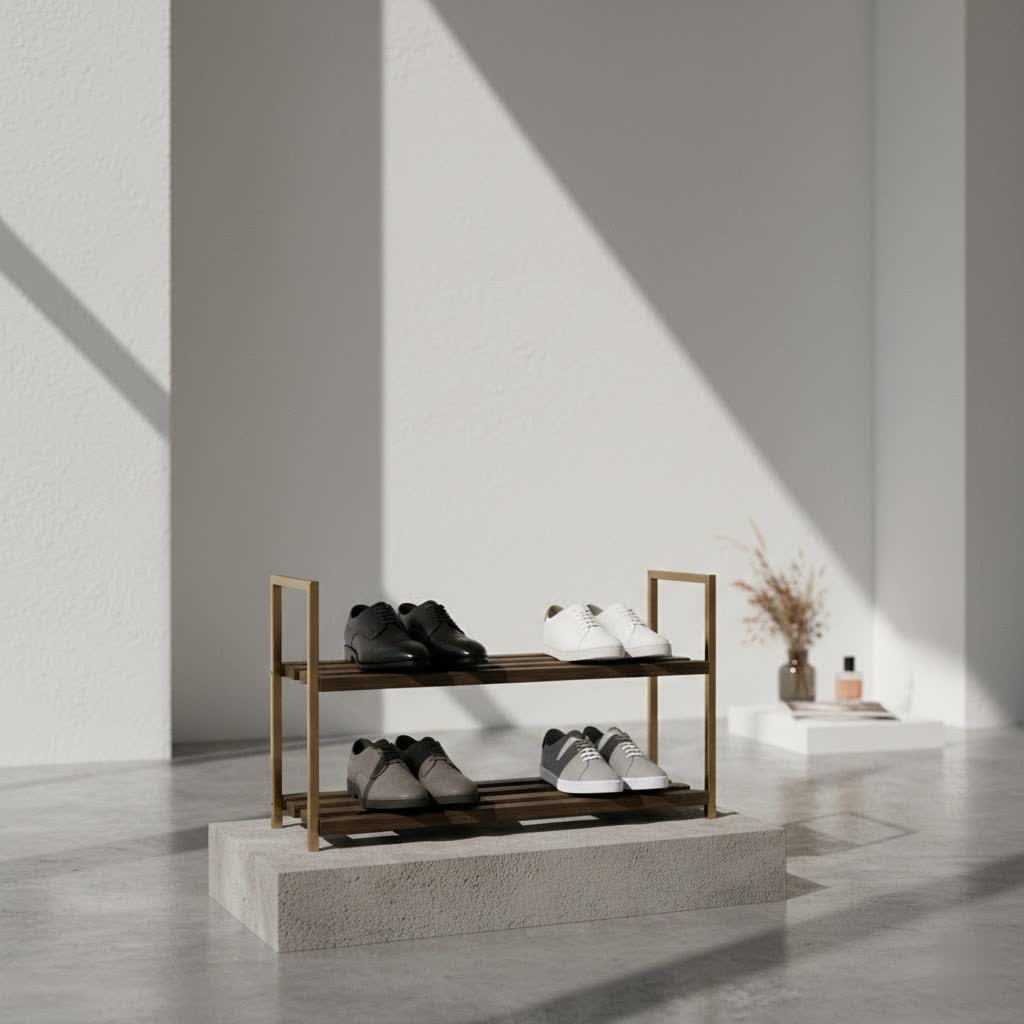
Stepping into a home filled with scattered shoes and coats can instantly create a sense of chaos. The entryway, often the first impression of your living space, quickly becomes a battleground against clutter. For over a decade, as an administrator at Reviewdansk.com specializing in home furnishings and storage solutions, I’ve witnessed the transformative power of a well-chosen coat and shoe rack. It’s more than just a piece of furniture; it’s a strategic solution that brings order, enhances aesthetics, and simplifies your daily routine. This guide shares practical insights to help you select the ideal coat and shoe rack, perfectly tailored to your space and style.
Popular Types of Coat and Shoe Racks
The market offers a diverse array of coat and shoe racks, each designed with specific materials and functionalities. Understanding these differences is crucial to finding a solution that meets your unique needs. For complete home organization library on this site.
Wooden Coat and Shoe Racks
Wooden coat and shoe racks exude a timeless elegance and warmth, often becoming a focal point in an entryway. They are typically crafted from natural woods like oak, pine, or bamboo, or from engineered wood products such as MDF.
- Advantages: Wooden racks are renowned for their sophisticated appearance and robust construction. They come in an extensive range of designs, from classic to rustic, complementing various interior styles. When properly maintained, wood offers excellent durability.
- Disadvantages: Generally, wooden units are more expensive than those made from other materials. They can also be susceptible to moisture damage and pests like termites if not treated or cared for correctly.
- Best for: Homes with traditional, classic, rustic, or farmhouse aesthetics, or anyone seeking a sturdy, long-lasting piece with natural charm.
Metal Coat and Shoe Racks
Metal coat and shoe racks are characterized by their strength, sleek lines, and often industrial or modern appeal. Common metals include steel, wrought iron, or alloy steel, frequently finished with a powder coating to enhance durability and prevent rust.
- Advantages: Metal racks are exceptionally sturdy, capable of holding significant weight without bending or breaking. They are typically easy to clean and maintain, often requiring just a simple wipe-down. Their design versatility allows them to fit seamlessly into contemporary or minimalist decors. Many feature open designs, promoting better air circulation for shoes.
- Disadvantages: Without proper rust-resistant treatment, metal can be prone to corrosion in humid environments. Some designs might appear too stark or industrial for warmer, more traditional spaces.
- Best for: Modern, minimalist, or industrial-themed homes, as well as high-traffic areas where robust and low-maintenance storage is essential.
Plastic Coat and Shoe Racks
|
Our Picks for the Best Shoe Rack in 2026
As an Amazon Associate I earn from qualifying purchases.
|
||
| Num | Product | Action |
|---|---|---|
| 1 | 3 Tier Bamboo Shoe Rack for Closet Free Standing Wood Shoe Shelf Storage Organizer for Entryway Small Space Stackable 27"x11"x20" (Natural) |

|
| 2 | SpaceAid 7 Tier Rotating Shoe Rack Tower, Spinning Shoe Display Lazy Susan, Revolving 360 Shoe Rack Storage Round Carousel, Vertical Handbag Rotate Shoes Closet Organization (7-Tier White) |
|
| 3 | 3 Tier Shoe Rack for Closet, Shoe Organizer with 5 Hooks, Long Shoe Shelf Storage for Sneaker and Boot Stackable Free Standing Shoe Rack for Entryway, Garage, Small Spaces, Dorm |
|
| 4 | HOOBRO Shoe Rack for Entryway, 5-Tier Shoe Organizer with Adjustable Mesh Shelves, 16-20 Pairs of Shoes, Spacious Floor Mount, Metal, Industrial, Shoe Shelf for Closet, Rustic Brown BF12XJ01 |
|
| 5 | SONGMICS Shoe Rack Bench, 3-Tier Bamboo Shoe Storage Organizer, Entryway Bench, Holds Up to 286 lb, 11.3 x 27.6 x 17.8 Inches, for Entryway Bathroom Bedroom, Ink Black ULBS04H |
|
| 6 | RONGJlA 3 Tier Bamboo Shoe Rack for Closet Free Standing Wood Shoe Shelf Storage Organizer for Entryway Small Space Stackable, Natural |
|
| 7 | FIDUCIAL HOME 10 Tiers Shoe Rack 20-25 Pairs Sturdy Shoe Shelf |
|
| 8 | 8 Tier Shoe Rack, Shoe Storage Organizer, Large Capacity Shoe Shelf Holds 32 Pairs of Shoes, Sturdy and Stable, for Entryway, Hallway, Closet, Dorm Room, Rustic Brown SS08BR |
|
| 9 | VTRIN 10 Tier Shoe Rack Tall Large Capacity 50 Pair Wide Shoe Organizer with Two Hooks Sturdy Metal Shoe Shelf for Entryway, Closet, Bedroom |
|
| 10 | ROJASOP Shoe Rack Organizer, 8-Tier Metal Shoe Rack for Closet Entryway Garage, 26-32 Pairs Tall Shoe Boot Storage Shelf with 15 Hooks, Stackable Large Shoe Stand |
|
Plastic coat and shoe racks are the most budget-friendly and lightweight option, providing a quick and easy storage solution. They are typically made from durable PVC or polypropylene.
- Advantages: Their affordability makes them accessible to almost any budget, and their lightweight nature ensures easy portability and repositioning. They are often available in a wide array of colors and designs, and many are simple to assemble.
- Disadvantages: Plastic racks generally offer lower durability and weight capacity compared to wood or metal. They can be prone to bending, warping, or cracking over time, especially with heavy use or exposure to extreme temperatures.
- Best for: Students, renters, temporary storage needs, or those on a very tight budget who prioritize cost and portability over long-term durability and aesthetic refinement.
Fabric Coat and Shoe Racks
Fabric coat and shoe racks combine textile covers with a lightweight frame, often metal or plastic, creating a soft and adaptable storage solution. These are typically designed for ease of use and flexibility.
- Advantages: Extremely lightweight and often collapsible, fabric racks are ideal for small spaces or when portability is a priority. They are generally inexpensive and can be quickly assembled or disassembled. The fabric cover can sometimes offer a softer look or conceal contents.
- Disadvantages: Their primary drawbacks are lower weight-bearing capacity and reduced durability. Fabric can be challenging to clean if it gets dirty or stained, and it may not offer adequate ventilation for shoes, potentially leading to odor issues.
- Best for: Small apartments, dorm rooms, or secondary storage where a lightweight, temporary, and budget-friendly option is needed for fewer items.
Multi-functional Hall Trees
Hall trees represent a comprehensive entryway solution, integrating coat hooks, shoe storage, and often a bench into a single, cohesive unit. These are commonly made from a combination of wood and metal, offering the best of both worlds.
- Advantages: They maximize vertical space and provide an all-in-one organization hub for coats, shoes, bags, and sometimes keys or mail. The integrated bench offers a convenient spot to sit while putting on or taking off shoes. Many designs are highly aesthetic and serve as a prominent piece of furniture.
- Disadvantages: Hall trees can be larger and bulkier than individual racks, requiring more dedicated space. Quality models can be more expensive, and assembly is often required, which can be time-consuming.
- Best for: Entryways, mudrooms, or larger foyers in family homes that require extensive and centralized organization.
Comparing Different Coat and Shoe Rack Options
Choosing the right coat and shoe rack involves weighing several factors. This comparison table highlights key criteria across the popular types, including multi-functional hall trees as a distinct category combining features.
Detailed Comparison Table
| Type of Rack | Price | Durability | Aesthetic Appeal | Weight Capacity | Ease of Cleaning | Space Efficiency |
|---|---|---|---|---|---|---|
| Wood | High | High | High | Medium | Medium | Medium |
| Metal | Medium-High | High | Medium-High | High | High | Medium |
| Plastic | Low | Low | Low-Medium | Low | High | High |
| Fabric | Low | Low | Low-Medium | Low | Low | High |
| Hall Tree (Combo) | Medium-High | High | High | High | Medium | Medium |
Your Ultimate Buying Guide for a Coat and Shoe Rack
Selecting the perfect coat and shoe rack requires careful consideration of your specific needs, the design of your home, and practical aspects of the unit itself.
Define Your Storage Needs
Before you even start browsing, take stock of what you need to store.
- Number of items: How many pairs of shoes do you typically have in your entryway? Consider different types like boots, heels, and sneakers. How many coats, jackets, hats, scarves, and bags need a home? A typical shoe rack might hold 10-20 pairs, while larger hall trees can accommodate more, sometimes up to 50 pairs with creative stacking.
- Location: Where will the rack be placed? An entryway, mudroom, bedroom, or even a walk-in closet? The available space will dictate the size and type.
- Lifestyle: Do you have a busy family with kids and pets, or are you living alone? Frequent guests might also influence the required capacity.
Material Matters
The material not only dictates the look but also the durability and maintenance of your rack.
- Wood: Opt for solid wood or high-quality engineered wood that has been treated for moisture resistance and pest prevention. Consider the finish—natural, stained, or painted—to match your existing furniture.
- Metal: Look for rust-resistant coatings, such as powder coating, especially if the rack will be in a humid area. Steel and wrought iron offer superior strength and longevity.
- Plastic/Fabric: While budget-friendly, prioritize thicker, more robust plastics or dense fabrics for better longevity. Consider any environmental implications of the material.
Size and Design Considerations
Measuring your space is paramount to avoiding returns and ensuring a perfect fit.
- Dimensions: Carefully measure the height, width, and depth of the area where the rack will sit. Account for door swings and traffic flow.
- Ventilation: For shoe storage, open designs or wire mesh shelves promote air circulation, which is crucial for preventing odors and keeping shoes fresh.
- Features: Do you need an integrated bench for sitting? How many hooks are sufficient, and what is their individual weight capacity? Consider additional features like top shelves for decor, drawers or cubbies for smaller items, or even integrated mirrors.
- Style: Ensure the design, color, and finish of the rack align with your home’s overall aesthetic—be it modern, rustic, industrial, or traditional.
Brand Reputation and Pricing
Investing in a reputable brand often means better quality and customer support. Compare prices across different retailers to find the best value, but be wary of overly cheap options that might compromise durability. Balance your budget with the expected lifespan and features.
Tips for Organizing and Maintaining Your Coat and Shoe Rack
A well-chosen rack is only half the battle; effective organization and regular maintenance ensure its longevity and continued functionality.
Smart Organization Strategies
- Categorize: Arrange shoes by type (boots together, sneakers together), color, or frequency of use. Place everyday footwear on easily accessible shelves and less-used items higher up or in closed compartments.
- Accessories: Utilize small baskets or bins on shelves for hats, gloves, scarves, and other small accessories. Clear shoe boxes can help protect shoes while keeping them visible and organized.
- Hooks: Assign specific hooks for each family member or for different types of outerwear to maintain order.
Regular Cleaning
- Wipe down regularly: Dust and dirt accumulate quickly, especially in an entryway. Wipe down the rack weekly with a damp cloth, using material-appropriate cleaners.
- Address spills promptly: Clean up any mud, water, or dirt from shoes immediately to prevent staining or damage to the rack’s material.
Proper Shoe Care
- Clean before storing: Always wipe down shoes to remove dirt and debris before placing them on the rack. This prevents the transfer of grime to the rack and other shoes.
- Use shoe trees or moisture absorbers: For leather shoes or boots, shoe trees help maintain their shape. In humid climates, consider using moisture absorbers or cedar sachets within closed shoe compartments to prevent mildew and odors.
- Rotate seasonal footwear: Keep only in-season shoes readily accessible. Store off-season footwear in breathable bags or boxes in a closet to free up space on your main rack.
“A good coat and shoe rack doesn’t just clear clutter; it elevates your home’s first impression and streamlines your daily routine.” – Reviewdansk Interior Expert
The right coat and shoe rack is an indispensable tool for maintaining a tidy, welcoming home. It’s an investment in both function and style, transforming a cluttered entryway into an organized and aesthetically pleasing space. By considering your specific needs, the available space, material durability, and design preferences, you can choose a solution that perfectly complements your lifestyle and interior decor. Imagine the ease of grabbing your coat and shoes without a frantic search, and returning home to an impeccably organized space. What kind of entryway transformation are you dreaming of?
Frequently Asked Questions
What type of coat and shoe rack is best for small apartments?
For small apartments, multi-functional hall trees or compact freestanding units made of metal or fabric are often best. Look for designs that maximize vertical space, such as tall, narrow racks or those with integrated benches and multiple hooks. Wall-mounted options can also save valuable floor space.
How many pairs of shoes can a typical rack hold?
The capacity of a shoe rack varies significantly by its size and design. Smaller, basic racks might hold 6-10 pairs, while multi-tiered freestanding racks or dedicated shoe cabinets can typically accommodate 12-20 pairs. Larger hall trees or extensive shoe storage systems can sometimes hold 30-50 pairs, especially with adjustable shelves or by stacking certain types of shoes.
Can I use a coat and shoe rack for items other than coats and shoes?
Absolutely! Modern coat and shoe racks, particularly hall trees, are designed to be multi-functional. Many feature shelves, cubbies, or even drawers that are perfect for storing handbags, backpacks, umbrellas, keys, mail, hats, gloves, and other everyday essentials, helping to keep your entryway organized.
Get our weekly buyer guide
Practical specs, not advice. Unsubscribe anytime.

This was exactly what I needed! Our small apartment entryway was a disaster zone with coats piled everywhere and shoes scattered. I followed the advice for compact solutions and found a slim, vertical rack that fits perfectly. It’s amazing how much more organized and welcoming our entrance feels now.
I appreciate the breakdown of different rack types. I was hoping to find more specific brand recommendations in the mid-price range. The rack I bought, while functional, wasn’t quite as stylish as I’d hoped for the price. It does solve the clutter problem, but I might keep looking for something that fits my aesthetic better.
I was so tired of tripping over shoes in our entryway! This guide really helped me narrow down the options. We ended up getting a wall-mounted unit, and it’s been a game-changer for keeping things tidy. It looks great and holds all our family’s coats and shoes without taking up too much floor space.
We needed something sturdy for our mudroom, and the tips on different materials were super helpful. We went with a metal and wood combo rack, and it feels really durable. My only minor complaint is that the shoe shelves are a little close together for my husband’s work boots, but overall, it’s a huge improvement.