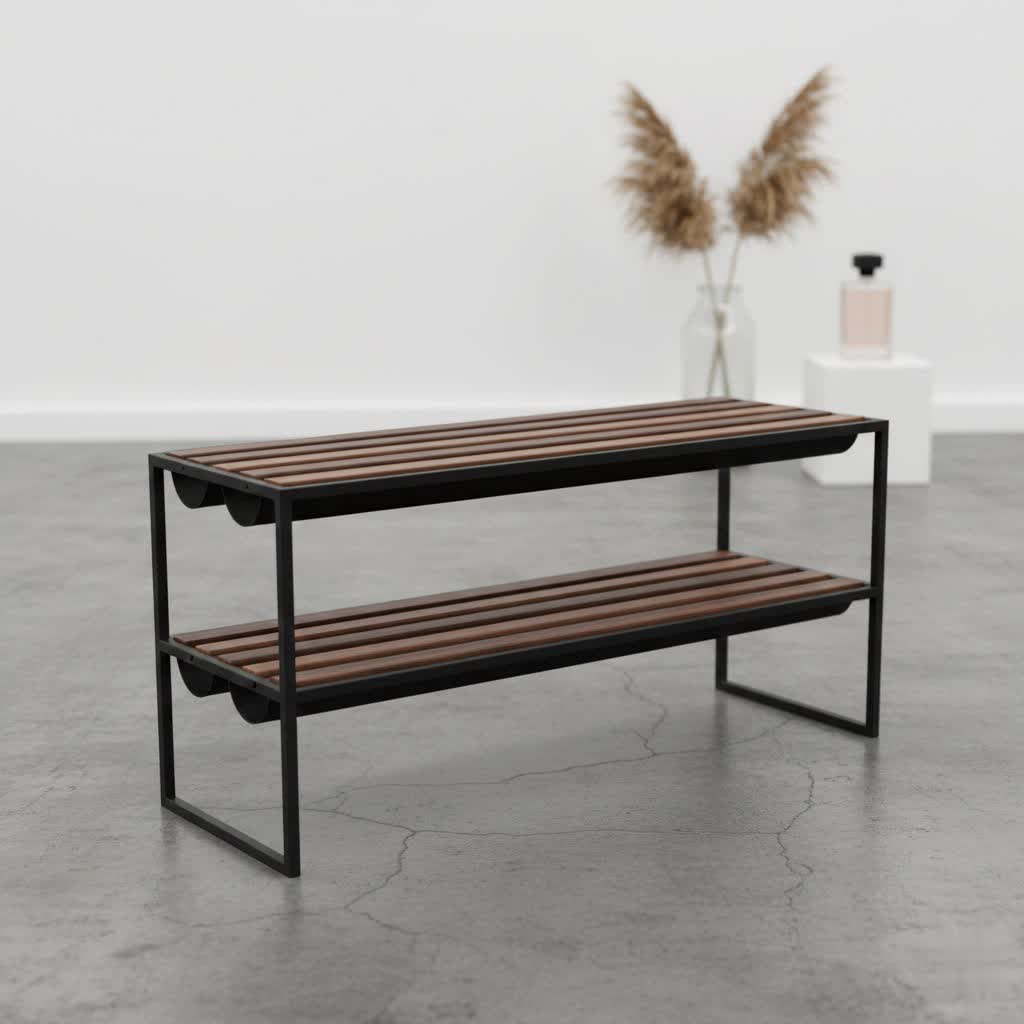
Stackable shoe racks are versatile storage solutions that transform cluttered spaces into organized, visually appealing areas by efficiently utilizing vertical space. They offer an effective way to manage footwear in any home, regardless of size or style, by providing a dedicated spot for shoes that prevents piles from forming in entryways and closets. With options ranging from elegant wood to robust metal and practical clear boxes, there’s a stackable shoe rack to suit every need and aesthetic.
Popular Types of Stackable Shoe Racks
The market offers a diverse range of stackable shoe racks, each with unique characteristics catering to different needs and design preferences. Understanding these variations is the first step towards making an informed decision.
Wooden Stackable Shoe Racks
Wooden shoe racks, often crafted from bamboo, oak, or engineered wood, bring a touch of natural elegance and warmth to any space. They are generally sturdy and can support a significant number of shoes, often featuring various finishes to complement classic or rustic interior designs. While their aesthetic appeal and durability are major advantages, they can be a pricier option and may require treatment to resist moisture or pests, particularly in humid environments.
Metal Stackable Shoe Racks
Known for their robustness and contemporary appeal, metal shoe racks—typically made from steel or wrought iron—are exceptionally durable and can withstand heavy loads. Their open design often promotes better air circulation, and they are relatively easy to clean. However, untreated metal can be susceptible to rust, so opting for powder-coated or stainless steel options is crucial for longevity. They blend seamlessly with modern, minimalist, or industrial decor.
Plastic Stackable Shoe Racks
Plastic stackable shoe racks are a budget-friendly and lightweight option, offering versatility with a wide array of colors and designs. They are easy to assemble and clean, making them a popular choice for temporary solutions or high-traffic areas. The main drawback is their durability; lower-quality plastics may be flimsy, prone to warping, or crack under heavy use, limiting their long-term viability.
Fabric Stackable Shoe Racks
Fabric shoe racks, often featuring non-woven fabric shelves supported by a metal or plastic frame, are incredibly lightweight, portable, and economical. They are excellent for small spaces, dorm rooms, or for storing seasonal footwear out of sight. While offering convenience and affordability, their load capacity is generally lower, and they can be challenging to clean effectively, making them less suited for heavy-duty use or muddy shoes.
Stackable Shoe Boxes (Clear Drop-Front)
A modern and highly efficient solution, clear drop-front stackable shoe boxes offer superior protection for your footwear. These individual, modular units, usually made from sturdy plastic with clear doors, shield shoes from dust, light, and damage, while allowing for easy visibility and access without unstacking. They maximize vertical space and create a clean, boutique-like display, appealing particularly to sneaker enthusiasts and those seeking a highly organized and aesthetically pleasing system. However, they may require more initial setup time than simple open racks.
Comparing Stackable Shoe Racks
Choosing the ideal stackable shoe rack involves weighing several factors. This detailed comparison table highlights the key differences across various types to help you align features with your specific needs.
| Type of Rack | Price | Durability | Aesthetics | Load Capacity | Ease of Cleaning | Protection | Ventilation |
|---|---|---|---|---|---|---|---|
| Wood | High | High | High (Classic, Warm) | Medium | Medium (Wipe) | Medium (Open) | Good (Open) |
| Metal | Medium | High | Medium (Modern, Sleek) | High | High (Wipe) | Medium (Open) | Excellent (Open) |
| Plastic | Low | Low-Medium | Low-Medium (Functional) | Low | High (Wipe/Rinse) | Medium (Open) | Good (Open) |
| Fabric | Low | Low | Low (Utilitarian) | Low | Low (Spot clean) | Medium (Open) | Good (Open) |
| Clear Boxes | Medium-High | High | High (Modern, Display) | High (Per box) | High (Wipe) | Excellent (Enclosed) | Limited (Vent holes) |
How to Choose the Right Stackable Shoe Rack (Buying Guide)
Selecting the perfect stackable shoe rack requires careful consideration of your individual needs and home environment. A thoughtful choice ensures long-term satisfaction and a truly organized space.
Assess Your Storage Needs
|
Our Picks for the Best Shoe Rack in 2026
As an Amazon Associate I earn from qualifying purchases.
|
||
| Num | Product | Action |
|---|---|---|
| 1 | 8 Tier Shoe Rack, Shoe Storage Organizer, Large Capacity Shoe Shelf Holds 32 Pairs of Shoes, Sturdy and Stable, for Entryway, Hallway, Closet, Dorm Room, Rustic Brown SS08BR |

|
| 2 | HOOBRO Shoe Rack for Entryway, 5-Tier Shoe Organizer with Adjustable Mesh Shelves, 16-20 Pairs of Shoes, Spacious Floor Mount, Metal, Industrial, Shoe Shelf for Closet, Rustic Brown BF12XJ01 |
|
| 3 | RONGJlA 3 Tier Bamboo Shoe Rack for Closet Free Standing Wood Shoe Shelf Storage Organizer for Entryway Small Space Stackable, Natural |
|
| 4 | VTRIN 10 Tier Shoe Rack Tall Large Capacity 50 Pair Wide Shoe Organizer with Two Hooks Sturdy Metal Shoe Shelf for Entryway, Closet, Bedroom |
|
| 5 | 3 Tier Bamboo Shoe Rack for Closet Free Standing Wood Shoe Shelf Storage Organizer for Entryway Small Space Stackable 27"x11"x20" (Natural) |
|
| 6 | SONGMICS Shoe Rack Bench, 3-Tier Bamboo Shoe Storage Organizer, Entryway Bench, Holds Up to 286 lb, 11.3 x 27.6 x 17.8 Inches, for Entryway Bathroom Bedroom, Ink Black ULBS04H |
|
| 7 | 3 Tier Shoe Rack for Closet, Shoe Organizer with 5 Hooks, Long Shoe Shelf Storage for Sneaker and Boot Stackable Free Standing Shoe Rack for Entryway, Garage, Small Spaces, Dorm |
|
| 8 | ROJASOP Shoe Rack Organizer, 8-Tier Metal Shoe Rack for Closet Entryway Garage, 26-32 Pairs Tall Shoe Boot Storage Shelf with 15 Hooks, Stackable Large Shoe Stand |
|
| 9 | SpaceAid 7 Tier Rotating Shoe Rack Tower, Spinning Shoe Display Lazy Susan, Revolving 360 Shoe Rack Storage Round Carousel, Vertical Handbag Rotate Shoes Closet Organization (7-Tier White) |
|
| 10 | FIDUCIAL HOME 10 Tiers Shoe Rack 20-25 Pairs Sturdy Shoe Shelf |
|
Start by evaluating your shoe collection. How many pairs do you need to store? Consider the types of shoes – larger men’s sizes, boots, or high heels might require specific shelf heights or wider compartments. Next, measure the exact dimensions of the area where the rack will be placed, whether it’s an entryway, closet, mudroom, or bedroom corner, to account for vertical space for stacking. Finally, consider your home’s existing interior style. A stackable shoe rack should complement your decor, not detract from it.
Material Matters
The material significantly impacts the rack’s durability, maintenance, and appearance.
- Wood: If choosing wood, opt for natural woods that have been treated for moisture and pests, or high-quality engineered wood, to ensure longevity.
- Metal: For metal racks, look for powder-coated steel or stainless steel to prevent rust, especially in areas prone to humidity.
- Plastic: Select thicker, high-grade plastic for better stability and durability if you opt for this more economical choice.
- Fabric: Ensure the fabric is thick and tear-resistant, ideally with a wipeable or washable coating for easier maintenance.
- Clear Boxes: For clear shoe boxes, prioritize sturdy, high-transparency plastic, with features like UV protection to prevent shoe discoloration.
Size and Design
Beyond overall dimensions, consider the design specifics. Ensure the rack’s shelves are appropriately spaced or adjustable to accommodate various shoe heights, from flats to tall boots. Adequate ventilation is crucial, especially for closed units or shoe boxes, to prevent odors and moisture buildup. Open designs naturally offer better airflow. For ease of use, decide between open shelves for quick access or drop-front clear boxes for protected display.
Brand and Budget
Investing in a reputable brand often guarantees better quality, customer support, and product longevity. While comparing prices, remember that the cheapest option may not always be the most cost-effective in the long run. Balance your budget with the features, material quality, and durability you desire for a solution that truly serves your needs.
Tips for Organizing and Maintaining Your Stackable Shoe Rack
A well-chosen stackable shoe rack is only part of the solution; proper organization and regular maintenance are key to keeping your footwear tidy and in pristine condition.
Smart Organization
Maximize your rack’s efficiency with strategic organization. Arrange shoes by type (e.g., sneakers, heels, boots), color, or frequency of use to make retrieval effortless. Utilize shoe stackers or dividers on shelves to optimize space and prevent shoes from getting messy. If using clear stackable boxes, group similar items or use labels for an extra layer of order and quick identification. For lesser-used or seasonal shoes, consider using the bottom shelves or specialized storage under the rack.
Regular Cleaning
To maintain a hygienic and appealing storage area, regular cleaning is essential. Dust your stackable shoe rack frequently to prevent dirt accumulation. For wooden racks, wipe with a damp cloth and mild cleaner, ensuring it’s completely dry afterward. Metal racks benefit from similar treatment, and any signs of rust should be addressed promptly. Plastic and fabric racks can often be wiped down with a damp cloth, or in some cases, removable fabric components might be hand-washable.
Shoe Care
Before placing shoes on the rack, give them a quick clean to prevent transferring dirt or debris. For delicate footwear, consider using shoe trees to maintain their shape or placing them in breathable dust bags. Incorporating moisture absorbers or natural deodorizers like baking soda sachets can help prevent odors, especially in less ventilated units, ensuring your shoes and your storage area remain fresh.
Quote: “A well-designed shoe rack not only organizes your footwear but also enhances your home’s aesthetic, reflecting a thoughtful approach to living.”
Conclusion
Stackable shoe racks are more than just practical storage units; they are versatile tools that transform cluttered spaces into organized, visually appealing areas. By strategically utilizing vertical space, these racks offer an efficient solution for every home, regardless of size or style. When selecting your perfect stackable shoe rack, consider your specific storage needs, prioritize durable materials, and choose a design that seamlessly integrates with your home’s aesthetic. Investing in a quality stackable shoe rack is a decision that pays dividends in both convenience and peace of mind.
Which stackable shoe rack will you choose to improve your home organization?
Frequently Asked Questions
Frequently Asked Questions
Which type of stackable shoe rack is best for small apartments?
For small apartments, narrow metal or bamboo stackable shoe racks are ideal, offering multiple tiers without a large footprint. Clear stackable shoe boxes also work exceptionally well, as they can be configured to fit tight spaces and protect shoes while maintaining visibility and a clean look.
How many pairs of shoes can a stackable shoe rack hold?
The capacity of a stackable shoe rack varies significantly based on its design and number of tiers. A standard 3-tier rack typically holds 9-12 pairs, while taller models can accommodate 20 or more. Always check product specifications, as larger shoe sizes or boots will reduce overall capacity per tier.
Are stackable shoe racks stable and secure for heavy use?
The stability of stackable shoe racks depends largely on their material and construction. High-quality metal or wooden racks with robust interlocking mechanisms are generally very stable. Look for features like anti-slip feet and solid connections between units, and avoid overloading to maintain stability, especially with plastic or fabric options.
How do I prevent odors from developing in my shoe rack?
To prevent odors, always ensure shoes are clean and dry before placing them on the rack. Opt for racks with good ventilation, such as open-shelf designs or clear shoe boxes with small ventilation holes. Incorporate moisture-absorbing sachets, cedar blocks, or baking soda boxes within or near the rack, and clean the rack regularly.
What materials are commonly used for stackable shoe racks?
Stackable shoe racks are commonly made from wood (like bamboo or oak), metal (steel or wrought iron), plastic, or fabric. Clear drop-front shoe boxes are typically made from sturdy, high-transparency plastic. Each material offers different benefits in terms of durability, aesthetics, and maintenance requirements.
How to Choose the Right Stackable Shoe Rack
Selecting the perfect stackable shoe rack requires careful consideration of your individual needs and home environment to ensure long-term satisfaction and a truly organized space.
Evaluate your shoe collection, considering the number and types of shoes (e.g., boots, heels). Measure the exact dimensions of the intended placement area, accounting for vertical space. Finally, consider your home's existing interior style to ensure the rack complements your decor.
The material significantly impacts durability and appearance. Choose treated natural wood or high-quality engineered wood for longevity. For metal, opt for powder-coated steel to prevent rust. Select thicker, high-grade plastic for stability, or tear-resistant fabric for portability. For clear boxes, prioritize sturdy, high-transparency plastic with UV protection.
Ensure shelves are appropriately spaced or adjustable for various shoe heights. Adequate ventilation is crucial to prevent odors and moisture buildup, especially in closed units. Decide between open shelves for quick access or drop-front clear boxes for protected display and easy visibility.
Investing in a reputable brand often guarantees better quality and customer support. While comparing prices, remember that the cheapest option may not always be the most cost-effective long-term. Balance your budget with desired features, material quality, and durability for a solution that truly serves your needs.
Get our weekly buyer guide
Practical specs, not advice. Unsubscribe anytime.

I tried one of the robust metal stackable racks for my husband’s work boots. While it’s strong, I found that the spacing between shelves was a little tight for his larger boots, making it a bit of a squeeze to get them in and out. It works, but it’s not as seamless as I hoped.
The bamboo wooden racks really caught my eye. I got a couple for our entryway and they look so much nicer than the old wire rack we had. They were a bit pricier than I expected for just two, but the quality is good and they definitely help keep the shoe chaos at bay.
I finally broke down and bought a few of the clear stackable shoe boxes mentioned. They are a game-changer for my closet! I can actually see all my sneakers now without digging through piles. Super easy to put together and they feel pretty sturdy for plastic.
I’m obsessed with utilizing vertical space, and these stackable solutions are perfect. I ended up getting a few different types for various closets and they’ve made such a difference. No more tripping over shoes in the hallway!