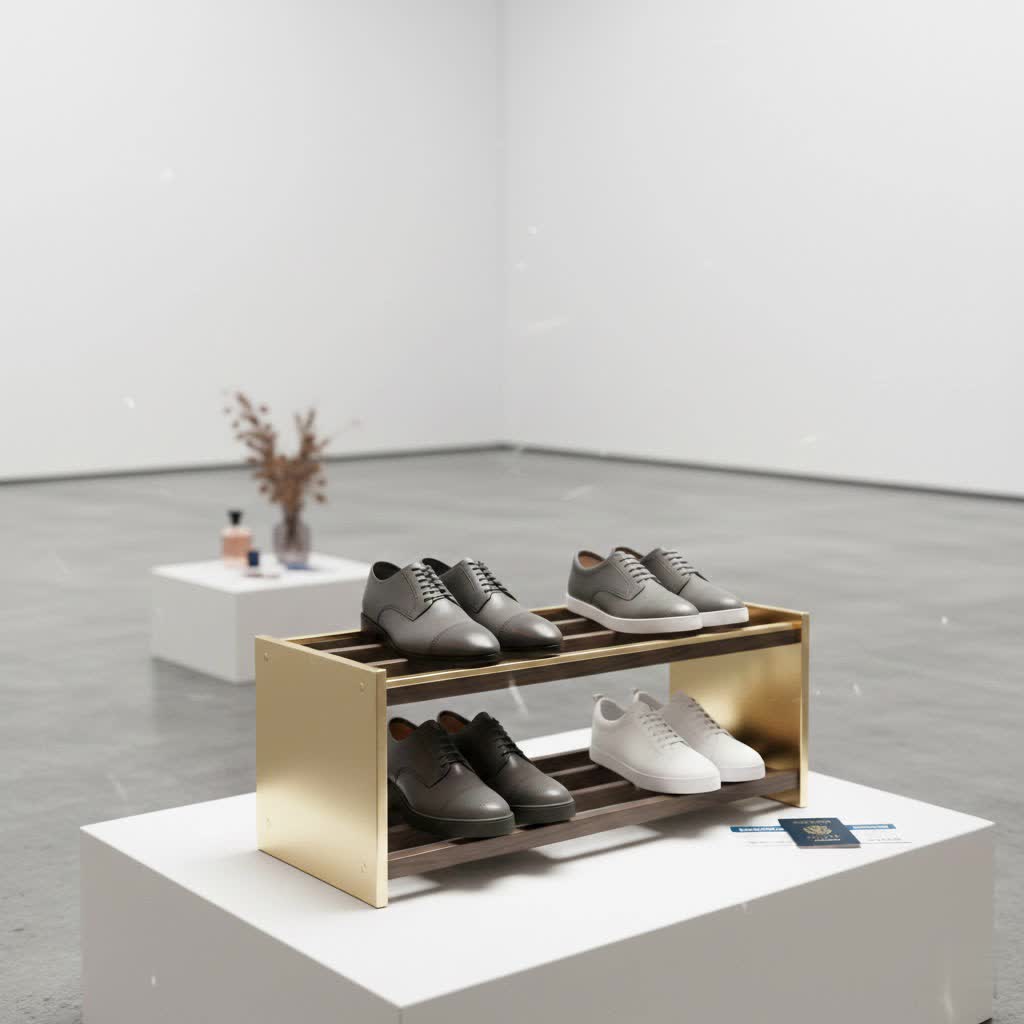
Stepping into a home cluttered with shoes can be a daily frustration. Beyond mere tidiness, an effective shoe rack is a fundamental solution that elevates your home’s functionality and aesthetic appeal. Whether you’re a minimalist with a small collection or a shoe enthusiast with a growing assortment, selecting the right storage is crucial. This comprehensive guide will walk you through everything you need to know, from understanding different types and materials to smart organization tips, ensuring you find the best shoe rack to complement your living space and lifestyle.

Popular Types of Shoe Racks
The market offers a diverse range of shoe rack styles, each designed to meet specific needs and preferences. Understanding their characteristics is the first step in making an informed decision for your home.
Wooden Shoe Racks
Wooden shoe racks exude a timeless elegance, bringing warmth and a classic touch to any interior. They are available in various wood types, from solid oak to engineered wood, offering a range of finishes to match your decor.
- Pros: Sophisticated appearance, robust durability, and a wide array of design options that blend seamlessly with traditional or rustic aesthetics.
- Cons: Often come with a higher price tag, can be bulky, and require proper treatment to prevent moisture damage or pest infestation.
- Ideal for: Homes with a classical, cozy, or warm interior design seeking a long-lasting and visually appealing storage solution.
Metal Shoe Racks
For those who prefer a modern or industrial look, metal shoe racks are an excellent choice. Constructed from materials like steel or wrought iron, they offer exceptional strength and a sleek profile.
- Pros: Highly durable, capable of bearing significant weight, resistant to pests, and generally easy to clean. Their slim design can be advantageous in contemporary settings.
- Cons: Can sometimes appear “cold” or industrial if not softened with other decor elements, and untreated metal may be prone to rust in humid environments.
- Ideal for: Modern, minimalist, or industrial-themed spaces where durability, high capacity, and a clean aesthetic are prioritized.
Plastic Shoe Racks
Plastic shoe racks are a budget-friendly and practical option, favored for their lightweight nature and versatility. They are commonly found in utility areas, children’s rooms, or for temporary storage.
- Pros: Very affordable, lightweight, resistant to moisture, and typically easy to assemble and relocate. They also come in various colors, offering flexibility.
- Cons: Generally less sturdy and durable than wood or metal, often have limited design sophistication, and may bend or crack under heavy loads over time.
- Ideal for: Students, renters, those on a tight budget, or individuals needing temporary and easily movable storage solutions.
Fabric Shoe Racks
|
Our Picks for the Best Shoe Rack in 2026
As an Amazon Associate I earn from qualifying purchases.
|
||
| Num | Product | Action |
|---|---|---|
| 1 | HOOBRO Shoe Rack for Entryway, 5-Tier Shoe Organizer with Adjustable Mesh Shelves, 16-20 Pairs of Shoes, Spacious Floor Mount, Metal, Industrial, Shoe Shelf for Closet, Rustic Brown BF12XJ01 |

|
| 2 | SONGMICS Shoe Rack Bench, 3-Tier Bamboo Shoe Storage Organizer, Entryway Bench, Holds Up to 286 lb, 11.3 x 27.6 x 17.8 Inches, for Entryway Bathroom Bedroom, Ink Black ULBS04H |
|
| 3 | VTRIN 10 Tier Shoe Rack Tall Large Capacity 50 Pair Wide Shoe Organizer with Two Hooks Sturdy Metal Shoe Shelf for Entryway, Closet, Bedroom |
|
| 4 | SpaceAid 7 Tier Rotating Shoe Rack Tower, Spinning Shoe Display Lazy Susan, Revolving 360 Shoe Rack Storage Round Carousel, Vertical Handbag Rotate Shoes Closet Organization (7-Tier White) |
|
| 5 | 3 Tier Shoe Rack for Closet, Shoe Organizer with 5 Hooks, Long Shoe Shelf Storage for Sneaker and Boot Stackable Free Standing Shoe Rack for Entryway, Garage, Small Spaces, Dorm |
|
| 6 | FIDUCIAL HOME 10 Tiers Shoe Rack 20-25 Pairs Sturdy Shoe Shelf |
|
| 7 | 8 Tier Shoe Rack, Shoe Storage Organizer, Large Capacity Shoe Shelf Holds 32 Pairs of Shoes, Sturdy and Stable, for Entryway, Hallway, Closet, Dorm Room, Rustic Brown SS08BR |
|
| 8 | ROJASOP Shoe Rack Organizer, 8-Tier Metal Shoe Rack for Closet Entryway Garage, 26-32 Pairs Tall Shoe Boot Storage Shelf with 15 Hooks, Stackable Large Shoe Stand |
|
| 9 | RONGJlA 3 Tier Bamboo Shoe Rack for Closet Free Standing Wood Shoe Shelf Storage Organizer for Entryway Small Space Stackable, Natural |
|
| 10 | 3 Tier Bamboo Shoe Rack for Closet Free Standing Wood Shoe Shelf Storage Organizer for Entryway Small Space Stackable 27"x11"x20" (Natural) |
|
Fabric or cloth shoe racks offer a lightweight and highly portable storage solution. These often feature multi-tiered designs with fabric shelves supported by a lightweight frame, making them ideal for small or adaptable spaces.
- Pros: Extremely lightweight, foldable, easy to move, and typically very inexpensive, making them excellent for quick setup or temporary storage.
- Cons: Lack the structural integrity of other materials, prone to sagging with heavy shoes, and can be challenging to clean thoroughly if stained.
- Ideal for: Small apartments, dorm rooms, inside closets, or for seasonal shoe storage where portability and cost-effectiveness are key.
Comparing Different Shoe Rack Materials
Choosing the right material for your shoe rack involves balancing several factors, including cost, longevity, and how it aligns with your home’s style. Here’s a detailed comparison to help you weigh your options:
Detailed Comparison Table
| Type of Rack | Price | Durability | Aesthetics | Weight Capacity | Ease of Cleaning |
|---|---|---|---|---|---|
| Wood | High | High | High | Medium-High | Medium |
| Metal | Medium | High | Medium-High | High | High |
| Plastic | Low | Low-Medium | Low | Low-Medium | High |
| Fabric | Very Low | Low | Low-Medium | Low | Medium (spot) |
Guide to Choosing a Shoe Rack (Buying Guide)
Selecting the ideal shoe rack goes beyond just liking its look. A practical approach involves assessing your specific needs and how the rack will integrate into your daily life and home environment.
Determine Your Needs
Before diving into options, clarify what you require from your shoe storage.
- Number of shoes to store: How many pairs do you need to organize? This will dictate the required capacity and number of tiers. Do you have many boots, heels, or just flats? These considerations impact shelf height and depth.
- Available space for the rack: Measure the height, width, and depth of the area where you plan to place the shoe rack. Account for door swings, walkways, and any architectural features to ensure a perfect fit. Vertical storage is excellent for narrow spaces.
- Your interior style: Does your home lean modern, traditional, industrial, or minimalist? The shoe rack should complement your existing furniture and decor to maintain a cohesive look.
Material Considerations
The material greatly influences a shoe rack’s appearance, durability, and maintenance.
- Wood: Opt for solid wood for maximum durability and a classic feel. If choosing engineered wood, ensure it’s high-quality. Always check if the wood has been treated to resist moisture and pests, especially in humid climates.
- Metal: Look for metal racks with powder-coated or rust-resistant finishes, particularly if they will be exposed to moisture, like in an entryway. Steel and wrought iron offer superior strength.
- Plastic: Select high-grade, thicker plastics for better stability and longevity. Cheaper plastics may sag or break quickly, especially under heavier footwear.
- Fabric: Choose racks with durable, thick fabric that is easy to clean. Removable fabric components can be a plus for washing.
Size and Design
Consider how the rack’s physical attributes contribute to both function and aesthetics.
- Dimensions: Ensure the rack’s dimensions accommodate your shoe collection and fit comfortably within your designated space. For boots, look for taller compartments or dedicated boot racks. Standard shoe shelves are typically 12-15 inches deep, with 18 inches being better for bulkier footwear. Shelf height should be around 18 inches for regular shoes and 24 inches for boots.
- Design and Ventilation: An open design promotes airflow, keeping shoes fresh and preventing odors. If choosing a closed cabinet, ensure it has some form of ventilation to prevent moisture buildup and maintain shoe hygiene. Designs that offer quick, easy access are often more practical for frequently worn pairs.
Brand and Price
While balancing quality and cost, explore reputable brands known for their craftsmanship and customer satisfaction. Compare prices from various retailers to find a shoe rack that fits your budget without compromising on essential features and durability.
Tips for Organizing and Maintaining Your Shoe Rack
Even the best shoe rack can become a source of clutter without proper organization and consistent care. Applying a few simple strategies can significantly extend its life and keep your footwear looking pristine.
Smart Organization
Effective organization transforms a shoe rack into a highly efficient storage system.
- Categorize and Arrange: Group your shoes by type (sneakers, heels, boots), season, or frequency of use. Keep your most frequently worn pairs on the most accessible shelves or at the front of the rack. Special occasion shoes can be stored in less accessible areas.
- Utilize Clear Storage Boxes: For delicate or off-season shoes, consider using clear, stackable storage boxes. Labeling these boxes or attaching a photo of the shoes inside makes it easy to find what you need without rummaging.
- Maximize Vertical Space: For small areas, multi-tiered or wall-mounted shoe racks are excellent for utilizing vertical space, keeping floors clear. Over-the-door organizers are also great space-savers for closets.
Regular Cleaning
Maintaining cleanliness not only keeps your rack looking good but also contributes to better shoe hygiene.
- Dust Weekly: Regularly wipe down your shoe rack with a soft, dry cloth to prevent dust and grime buildup. This is especially important for open racks.
- Deep Clean Monthly: For a more thorough clean, use a damp cloth with a mild detergent appropriate for the rack’s material. For wooden racks, a wood polish can restore shine and offer protection. Ensure metal racks are dried completely to prevent rust.
Shoe Care
Proper shoe care before storage helps preserve your footwear and keeps your rack cleaner.
- Clean Shoes Before Storing: Always wipe down dirty or muddy shoes before placing them on the rack to prevent transferring dirt and odors.
- Ensure Dryness: Never store wet or damp shoes, especially in closed cabinets, as this can lead to mold, mildew, and unpleasant odors. Allow shoes to air dry completely before storage.
- Use Desiccants: Place silica gel packets or charcoal odor absorbers in closed shoe cabinets to absorb moisture and maintain freshness.
- Maintain Shoe Shape: Use boot shapers or stuff boots with newspaper to help them retain their form when stored.
“A good shoe rack not only helps you organize your footwear neatly but also becomes an integral part of your living space, reflecting your aesthetic sense and convenience.” – Nguyễn Văn A, Interior Design Expert.
The best shoe rack is one that effortlessly integrates into your home, simplifies your routine, and reflects your personal style. By considering your needs, exploring different types and materials, and committing to regular care, you can transform chaotic entryways and messy closets into beautifully organized spaces. So, what kind of shoe rack will bring harmony to your home?
Frequently Asked Questions
Which type of shoe rack is best for small apartments?
For small apartments, slim, vertical, or wall-mounted shoe racks are ideal as they maximize vertical space without occupying much floor area. Over-the-door organizers and compact shoe cabinets with flip drawers are also excellent choices for narrow entryways or limited closet space, ensuring your footwear stays organized and accessible.
Get our weekly buyer guide
Practical specs, not advice. Unsubscribe anytime.

I appreciated the tips on maximizing space, especially for smaller collections. I tried one of the over-the-door hanging organizers mentioned, and while it does save floor space, it makes my closet door a bit harder to close completely. It’s a decent temporary fix, but I might look into a small, compact entryway bench with shoe storage instead for something more permanent.
I was so tired of tripping over shoes by the front door! This guide really helped me figure out what I needed. I ended up getting a stackable wooden shoe rack, and it looks fantastic. It holds all my family’s shoes neatly and really adds a touch of warmth to our entryway. Highly recommend considering wood for both style and function.
Finally, a clear breakdown of all the shoe storage options! I’m a big fan of keeping things tidy, and my shoe situation was getting out of hand. I decided on a tiered plastic shoe rack for my mudroom, and it’s perfect for keeping dirt and moisture off my floors. It was easy to assemble and holds a surprising amount of shoes without looking bulky.
I’ve been looking for a better way to organize my sneaker collection. The section on different types of shoe racks was super helpful. I went with a metal shoe tower for my closet, and it’s been a game-changer for saving space. It’s sturdy and keeps everything visible, though I do wish it had slightly wider shelves for some of my bulkier high-tops.