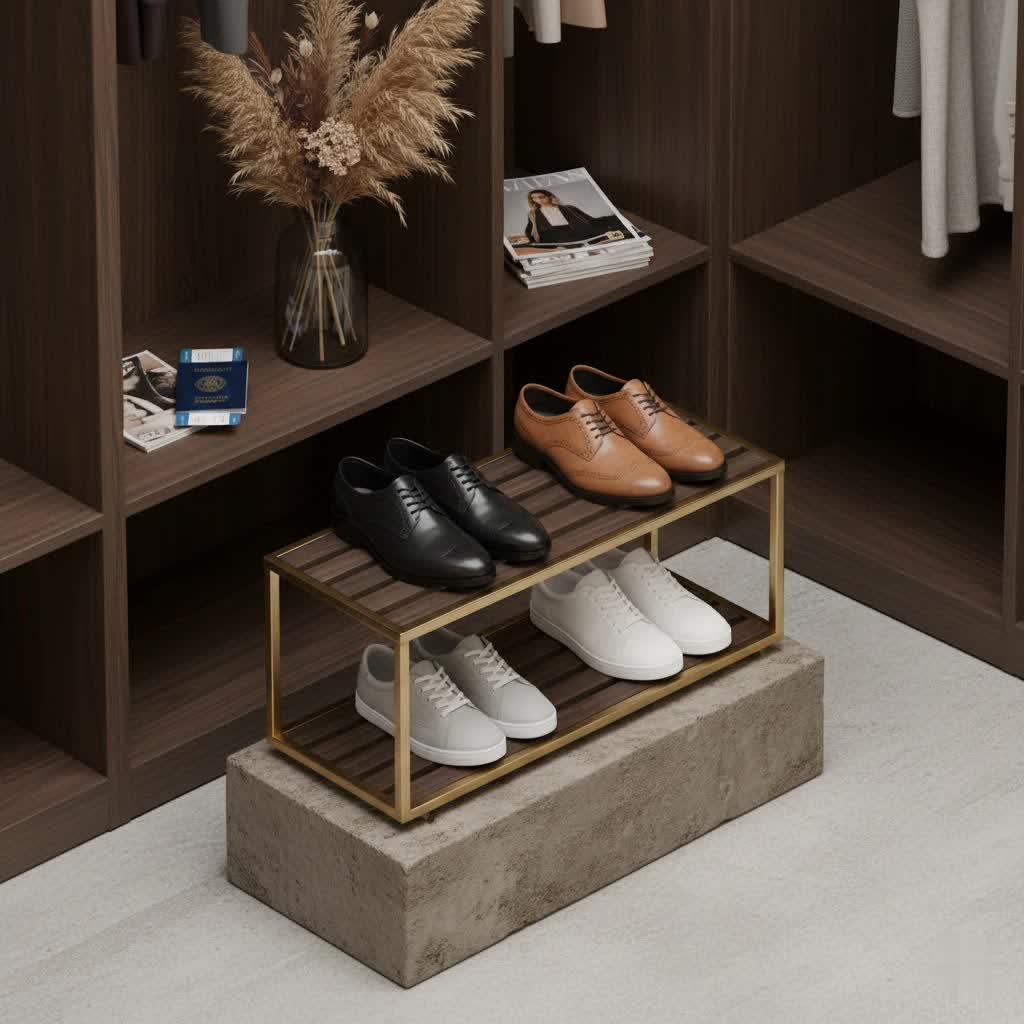
In the world of home organization, few items combine functionality with style as effectively as a well-chosen shoe rack. For over a decade, as an administrator at Reviewdansk.com, a platform dedicated to home goods and furniture reviews, I’ve observed the evolving landscape of shoe storage solutions. The journey of selecting the perfect shoe rack and storage unit is more than just finding a place for your footwear; it’s about integrating a piece that complements your living space, reflects your aesthetic, and simplifies your daily routine. This comprehensive guide draws on years of expertise to help you navigate the myriad options, ensuring you find the ideal shoe rack and storage system to keep your collection organized and your home clutter-free.
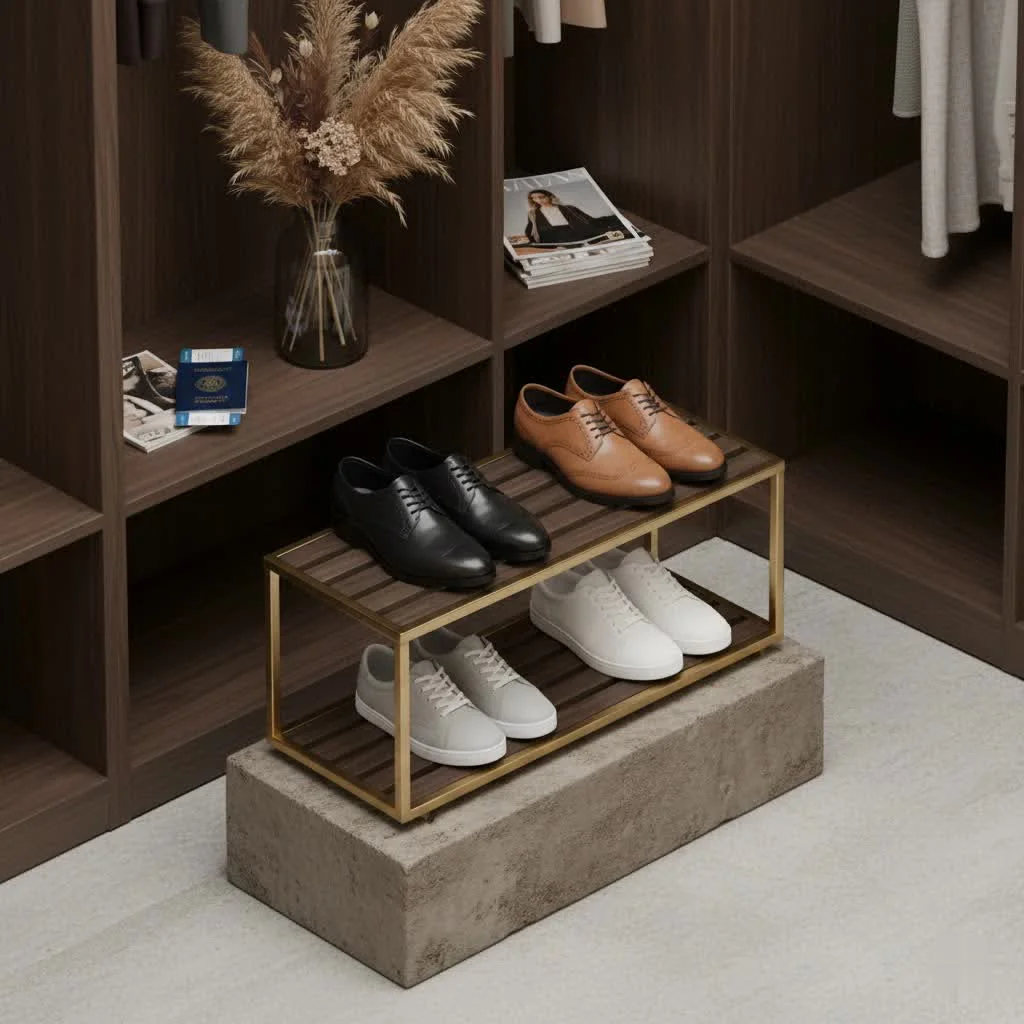
Popular Types of Shoe Racks
The market offers a diverse array of shoe rack and storage options, each designed to meet specific needs and aesthetic preferences. Understanding the unique characteristics of each type is the first step towards making an informed decision.
Wooden Shoe Racks
Wooden shoe racks exude a timeless elegance, bringing a warm and sophisticated touch to any interior.
- Pros: They are known for their sturdy construction, durability, and a wide variety of designs, from rustic to modern. Wood can be stained or painted to match existing furniture.
- Cons: Often, wooden racks come with a higher price tag. Without proper treatment, they can be susceptible to moisture damage and pests like termites.
- Best for: Homes with classic, traditional, or cozy interior styles, where the shoe rack is also a decorative piece.
Metal Shoe Racks
Characterized by their robustness and minimalist appeal, metal shoe racks are a popular choice for contemporary settings.
- Pros: Metal racks are exceptionally strong, capable of holding heavy loads, and generally easy to clean. Many designs offer excellent air circulation for shoes.
- Cons: Lower-quality metal can be prone to rust if not properly coated or if exposed to high humidity. The aesthetic might be too industrial for some decors.
- Best for: Modern, industrial, or minimalist homes. They are ideal for high-traffic entryways or garages where durability is key.
Plastic Shoe Racks
Plastic shoe racks offer a budget-friendly and versatile solution for shoe storage.
- Pros: They are lightweight, inexpensive, and available in a vast array of colors and modular designs, making them easy to move and customize.
- Cons: Generally, plastic racks have lower durability and can be prone to bending, cracking, or looking flimsy over time, especially with heavy use.
- Best for: Students, renters, temporary living situations, or those needing an affordable, easily movable storage option.
Fabric Shoe Racks
|
Our Picks for the Best Shoe Rack in 2026
As an Amazon Associate I earn from qualifying purchases.
|
||
| Num | Product | Action |
|---|---|---|
| 1 | VTRIN 10 Tier Shoe Rack Tall Large Capacity 50 Pair Wide Shoe Organizer with Two Hooks Sturdy Metal Shoe Shelf for Entryway, Closet, Bedroom |

|
| 2 | 3 Tier Bamboo Shoe Rack for Closet Free Standing Wood Shoe Shelf Storage Organizer for Entryway Small Space Stackable 27"x11"x20" (Natural) |
|
| 3 | SONGMICS Shoe Rack Bench, 3-Tier Bamboo Shoe Storage Organizer, Entryway Bench, Holds Up to 286 lb, 11.3 x 27.6 x 17.8 Inches, for Entryway Bathroom Bedroom, Ink Black ULBS04H |
|
| 4 | HOOBRO Shoe Rack for Entryway, 5-Tier Shoe Organizer with Adjustable Mesh Shelves, 16-20 Pairs of Shoes, Spacious Floor Mount, Metal, Industrial, Shoe Shelf for Closet, Rustic Brown BF12XJ01 |
|
| 5 | 8 Tier Shoe Rack, Shoe Storage Organizer, Large Capacity Shoe Shelf Holds 32 Pairs of Shoes, Sturdy and Stable, for Entryway, Hallway, Closet, Dorm Room, Rustic Brown SS08BR |
|
| 6 | RONGJlA 3 Tier Bamboo Shoe Rack for Closet Free Standing Wood Shoe Shelf Storage Organizer for Entryway Small Space Stackable, Natural |
|
| 7 | SpaceAid 7 Tier Rotating Shoe Rack Tower, Spinning Shoe Display Lazy Susan, Revolving 360 Shoe Rack Storage Round Carousel, Vertical Handbag Rotate Shoes Closet Organization (7-Tier White) |
|
| 8 | 3 Tier Shoe Rack for Closet, Shoe Organizer with 5 Hooks, Long Shoe Shelf Storage for Sneaker and Boot Stackable Free Standing Shoe Rack for Entryway, Garage, Small Spaces, Dorm |
|
| 9 | FIDUCIAL HOME 10 Tiers Shoe Rack 20-25 Pairs Sturdy Shoe Shelf |
|
| 10 | ROJASOP Shoe Rack Organizer, 8-Tier Metal Shoe Rack for Closet Entryway Garage, 26-32 Pairs Tall Shoe Boot Storage Shelf with 15 Hooks, Stackable Large Shoe Stand |
|
Fabric shoe racks, often with metal frames and fabric shelves, are a lightweight and flexible storage option.
- Pros: They are highly portable, easy to assemble, and budget-friendly, making them perfect for temporary or space-constrained areas.
- Cons: Their load-bearing capacity is often limited, and cleaning can be more challenging compared to solid materials. They may not offer the most polished aesthetic.
- Best for: Small apartments, dorm rooms, closets, or when needing a temporary solution for fewer shoes.
Comparison of Shoe Rack Types
Choosing the right shoe rack and storage solution often comes down to balancing various factors. Here’s a detailed comparison to help you weigh your options.
Detailed Comparison Table
This table provides a quick overview of how different shoe rack materials stack up against key criteria:
| Type of Rack | Price | Durability | Aesthetics | Load Capacity | Ease of Cleaning |
|---|---|---|---|---|---|
| Wood | High | High | High | Medium | Moderate |
| Metal | Medium | High | Medium | High | Easy |
| Plastic | Low | Low | Low | Low | Easy |
| Fabric | Low | Low | Low | Low | Difficult |
Shoe Rack Buying Guide
Selecting the perfect shoe rack and storage unit requires careful consideration of your specific needs, the available space, and your personal style.
Determine Your Storage Needs
Before browsing options, take an inventory of your shoes and the space where the rack will reside.
- Number of Shoes: How many pairs do you currently own, and do you anticipate your collection growing? This will dictate the required capacity.
- Available Space: Measure the height, width, and depth of the area. Consider whether you need a narrow design for a hallway, a tall unit for vertical space, or an over-the-door solution for a closet.
- Home Decor Style: The shoe rack should seamlessly integrate with your home’s overall aesthetic, whether it’s modern, traditional, minimalist, or eclectic.
Choose the Right Material
The material of your shoe rack dictates its durability, maintenance, and visual appeal.
- Wood: Opt for solid wood or high-quality engineered wood that has been treated for moisture and pest resistance if you seek longevity and a classic look.
- Metal: Look for metal racks with powder-coated or rust-resistant finishes to ensure they withstand wear and tear, especially in humid environments.
- Plastic: Choose thicker, more rigid plastics for better stability and a longer lifespan, even for temporary storage.
- Fabric: Select racks with sturdy frames and durable, easy-to-clean fabric compartments for the best value.
Size and Design Considerations
The physical attributes of your shoe rack are crucial for both functionality and visual harmony.
- Dimensions: Ensure the rack’s dimensions are appropriate for both your shoe collection and the designated space, allowing for easy access and movement around it.
- Design: Consider open racks for quick access and airing, or enclosed cabinets for a tidier, dust-free look. Some designs offer versatility, such as shoe benches that provide seating.
- Ventilation: Good ventilation helps prevent odors and keep shoes fresh, especially in enclosed storage.
Brand and Price
Investing in a reputable brand often translates to better quality and customer support.
- Reputation: Research brands known for their durable and well-designed home storage solutions.
- Budget: Determine a realistic budget and compare prices across different retailers, looking for the best balance of quality and cost. Remember that a slightly higher initial investment can lead to greater satisfaction and longevity.
Tips for Organizing and Maintaining Your Shoe Rack
A well-chosen shoe rack is only as effective as the system you implement for it. These tips will help you maximize its potential and preserve your footwear.
Organize Strategically
Efficient organization makes finding your shoes a breeze and keeps your space looking neat.
- Sort your shoes by type, color, or frequency of use. Keep everyday shoes easily accessible, while seasonal or less-used pairs can be stored higher up or in less prominent spots.
- Utilize clear shoe boxes for individual pairs within cabinets or on shelves to protect them from dust and make identification effortless.
- Consider using shoe trees or boot shapers to maintain the form of your footwear and prevent creases.
Regular Cleaning
Maintaining cleanliness is essential for both your shoe rack and the shoes it holds.
- Wipe down your shoe rack regularly with a damp cloth to remove dust and dirt. For specific materials, use appropriate cleaning solutions—mild soap for wood, stainless steel cleaner for metal, or a general household cleaner for plastic.
- Ensure the rack is completely dry after cleaning to prevent mildew or rust.
Shoe Care
Proper shoe care before storage significantly extends their lifespan and keeps your storage area fresh.
- Always clean your shoes before placing them back on the rack, removing any mud or debris.
- For shoes prone to odor, consider using deodorizing inserts or sachets.
- In humid climates, place silica gel packets or other moisture absorbers within enclosed shoe storage to prevent mold and mildew growth.
“A good shoe rack not only helps you organize your footwear neatly but also becomes an integral part of your living space, reflecting your aesthetic taste and commitment to an uncluttered home.”
Conclusion
The journey to finding the ideal shoe rack and storage solution is a personalized one, deeply intertwined with your lifestyle, the unique demands of your space, and your personal style. From the classic elegance of wooden cabinets to the modern utility of metal racks, and the practical versatility of plastic or fabric options, the market offers an abundance of choices. By carefully assessing your needs, considering the material, size, and design, and committing to diligent organization and maintenance, you can transform a cluttered entryway into an inviting, orderly space. Investing in the right shoe rack is not just about tidiness; it’s about enhancing your daily routine and preserving the longevity of your valuable footwear collection. So, which shoe rack will finally bring harmony to your home?
Frequently Asked Questions
Which type of shoe rack is best for a small apartment?
For small apartments, space-saving solutions are key. Wall-mounted shoe racks, narrow vertical units, or over-the-door organizers are excellent choices as they utilize vertical space without occupying valuable floor area. Modular plastic or fabric racks can also be adapted to fit awkward corners or small closets, offering flexible storage.
Get our weekly buyer guide
Practical specs, not advice. Unsubscribe anytime.
