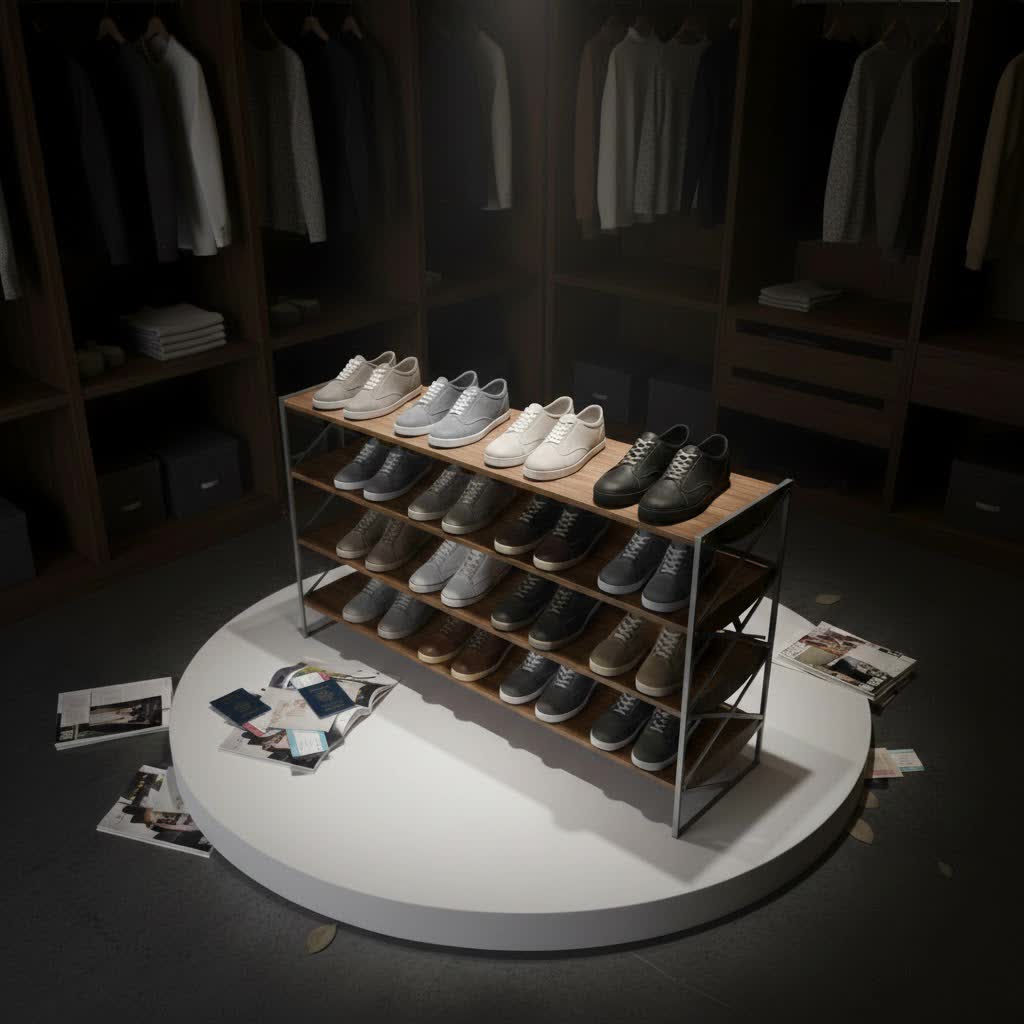
The sight of scattered shoes can instantly transform a welcoming entryway into a chaotic obstacle course. If you’ve ever tripped over a misplaced sneaker or hunted frantically for a matching pair, you understand the universal challenge of shoe clutter. An enclosed shoe rack offers a sophisticated and practical solution, transforming disarray into impeccable order. These clever storage units not only conceal footwear behind closed doors but also protect your treasured collection from dust and daily wear, integrating seamlessly into your home’s aesthetic.
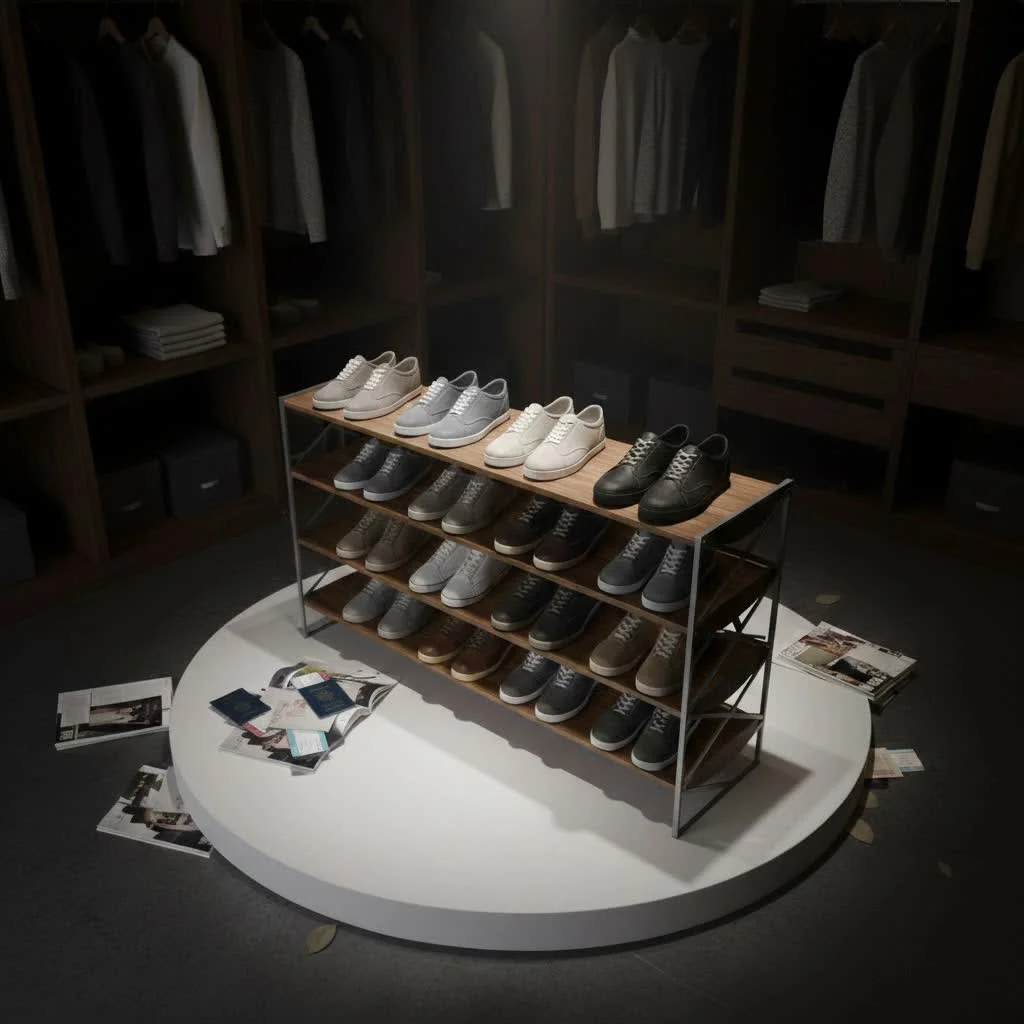
Popular Types of Enclosed Shoe Racks
Choosing the right enclosed shoe rack begins with understanding the variety of materials and designs available. Each type offers distinct advantages, catering to different styles, budgets, and durability needs.
Wooden Enclosed Shoe Racks
Wooden enclosed shoe racks exude warmth and classic elegance, making them a popular choice for many homes. They often feature intricate detailing or clean, minimalist lines, blending effortlessly with various interior design themes.
- Advantages: Wooden racks are incredibly durable and can last for decades with proper care. Their natural aesthetic adds a touch of sophistication, and they come in a vast array of finishes and styles, from rustic oak to sleek, modern lacquer.
- Disadvantages: Typically, wooden shoe racks come with a higher price tag. They can also be heavy and prone to warping or pest issues if not made from properly treated wood, especially in humid environments.
- Best Suited For: Homes with traditional, classic, or warm interior décor, as well as those seeking a substantial, furniture-like piece for their entryway or hallway.
Metal Enclosed Shoe Racks
Metal enclosed shoe racks, particularly those made from powder-coated steel, offer exceptional strength and a contemporary appeal. Their robust construction makes them a reliable choice for long-term shoe storage.
- Advantages: Metal racks are remarkably sturdy, capable of supporting heavy loads of footwear without bending or breaking. Many are designed with ventilation to combat odors, and rust-proof finishes make them easy to clean and maintain. They are often more resistant to moisture and pests than wood.
- Disadvantages: The aesthetic can sometimes lean towards industrial or minimalist, which may not suit all interior styles. Untreated metal can be susceptible to rust, though powder-coated options mitigate this risk.
- Best Suited For: Modern, minimalist, or industrial-themed spaces; high-traffic areas where durability is paramount; and environments prone to humidity.
Plastic Enclosed Shoe Racks
Plastic enclosed shoe racks provide a lightweight and economical solution for managing shoe clutter. They are often modular, allowing for flexible configurations.
- Advantages: These racks are typically the most affordable option, making them ideal for budget-conscious shoppers or temporary living situations. Plastic is lightweight, easy to move, and resistant to moisture, simplifying cleaning.
- Disadvantages: Durability can be a concern, as lower-quality plastics may crack, bend, or become brittle over time. They generally offer a less premium aesthetic compared to wood or metal.
- Best Suited For: Students, renters, utility rooms, closets, or anyone needing a practical, lightweight, and moisture-resistant storage solution.
Bamboo Enclosed Shoe Racks
|
Our Picks for the Best Shoe Rack in 2026
As an Amazon Associate I earn from qualifying purchases.
|
||
| Num | Product | Action |
|---|---|---|
| 1 | FIDUCIAL HOME 10 Tiers Shoe Rack 20-25 Pairs Sturdy Shoe Shelf |

|
| 2 | SpaceAid 7 Tier Rotating Shoe Rack Tower, Spinning Shoe Display Lazy Susan, Revolving 360 Shoe Rack Storage Round Carousel, Vertical Handbag Rotate Shoes Closet Organization (7-Tier White) |
|
| 3 | 3 Tier Shoe Rack for Closet, Shoe Organizer with 5 Hooks, Long Shoe Shelf Storage for Sneaker and Boot Stackable Free Standing Shoe Rack for Entryway, Garage, Small Spaces, Dorm |
|
| 4 | 8 Tier Shoe Rack, Shoe Storage Organizer, Large Capacity Shoe Shelf Holds 32 Pairs of Shoes, Sturdy and Stable, for Entryway, Hallway, Closet, Dorm Room, Rustic Brown SS08BR |
|
| 5 | ROJASOP Shoe Rack Organizer, 8-Tier Metal Shoe Rack for Closet Entryway Garage, 26-32 Pairs Tall Shoe Boot Storage Shelf with 15 Hooks, Stackable Large Shoe Stand |
|
| 6 | SONGMICS Shoe Rack Bench, 3-Tier Bamboo Shoe Storage Organizer, Entryway Bench, Holds Up to 286 lb, 11.3 x 27.6 x 17.8 Inches, for Entryway Bathroom Bedroom, Ink Black ULBS04H |
|
| 7 | 3 Tier Bamboo Shoe Rack for Closet Free Standing Wood Shoe Shelf Storage Organizer for Entryway Small Space Stackable 27"x11"x20" (Natural) |
|
| 8 | RONGJlA 3 Tier Bamboo Shoe Rack for Closet Free Standing Wood Shoe Shelf Storage Organizer for Entryway Small Space Stackable, Natural |
|
| 9 | HOOBRO Shoe Rack for Entryway, 5-Tier Shoe Organizer with Adjustable Mesh Shelves, 16-20 Pairs of Shoes, Spacious Floor Mount, Metal, Industrial, Shoe Shelf for Closet, Rustic Brown BF12XJ01 |
|
| 10 | VTRIN 10 Tier Shoe Rack Tall Large Capacity 50 Pair Wide Shoe Organizer with Two Hooks Sturdy Metal Shoe Shelf for Entryway, Closet, Bedroom |
|
Bamboo enclosed shoe racks strike a balance between durability and natural appeal, offering an eco-friendly alternative to traditional wood. They are known for their distinctive grain and lightweight strength.
- Advantages: Bamboo is a sustainable and rapidly renewable resource. Racks made from bamboo are sturdy yet lighter than hardwood, often featuring good ventilation that helps prevent odor buildup. Their natural finish adds a calm, organic touch to any space.
- Disadvantages: While durable, bamboo can be susceptible to moisture damage if not properly treated or maintained. The natural aesthetic might not align with very formal or highly modern interior designs.
- Best Suited For: Eco-conscious individuals, homes with natural, Scandinavian, or casual décor, and those seeking a lightweight yet robust storage option.
Comparing Enclosed Shoe Rack Materials
Understanding the nuances of each material is crucial when selecting an enclosed shoe rack that perfectly fits your home and lifestyle. Here’s a detailed comparison to guide your decision:
| Type | Price | Durability | Aesthetic | Odor Control | Dust Protection | Maintenance |
|---|---|---|---|---|---|---|
| Wood | High | High | High (Classic) | Good | Excellent | Moderate |
| Metal | Medium-High | High | Medium-High | Good | Excellent | Easy |
| Plastic | Low | Low-Medium | Low-Medium | Good | Good | Easy |
| Bamboo | Medium | Medium-High | Medium-High | Good | Excellent | Moderate |
Your Guide to Choosing the Perfect Enclosed Shoe Rack
Selecting the ideal enclosed shoe rack goes beyond merely picking a style; it involves a thoughtful assessment of your specific needs, available space, and aesthetic preferences. A well-chosen rack will simplify your daily routine and enhance your home’s appeal.
Assess Your Storage Needs
Before browsing designs, take stock of your shoe collection and how you use it. Consider the total number of shoes you need to store, differentiating between daily wear, seasonal footwear, boots, heels, and special occasion pairs. Think about the variety of shoe types and sizes, as some racks are better suited for specific items like tall boots or high heels. Additionally, evaluate the space where the rack will be placed, measuring its width, depth, and height carefully to ensure a seamless fit without obstructing walkways or doors.
Material Matters
The material of your enclosed shoe rack significantly impacts its durability, maintenance, and visual appeal. For a touch of timeless elegance and robust construction, solid wood or engineered wood (like MDF) treated for moisture and pests is an excellent choice. If you prefer a sleek, modern look and superior resistance to wear, metal—especially powder-coated steel—stands out for its resilience and easy upkeep. For budget-friendly, lightweight, and moisture-resistant options, plastic can be practical. Alternatively, bamboo offers a sustainable and naturally charming aesthetic that is both sturdy and relatively light.
Size, Capacity, and Design
Once you’ve considered material, focus on the practical aspects of size, capacity, and overall design. The dimensions of the rack must fit your designated space, allowing ample clearance for doors to open and close comfortably. Capacity is key; ensure the rack can accommodate your current collection with a little extra room for future additions. Pay close attention to the design elements:
- Ventilation: Slatted doors or integrated vents are crucial for air circulation, preventing odor buildup and mold growth, which is vital for shoe preservation.
- Access: Consider the door mechanism—swinging doors offer a classic look, while flip-down or sliding doors are excellent for narrow spaces.
- Interior Configuration: Adjustable or removable shelves provide flexibility for storing different shoe heights, from flats to tall boots. Some designs also offer additional features like built-in seating or drawers for accessories, enhancing functionality.
Brand Reputation and Price
Investing in an enclosed shoe rack from a reputable brand can assure quality, durability, and better customer support. Research various manufacturers and read reviews to gauge product satisfaction and longevity. While price is always a consideration, view your purchase as a long-term investment in home organization and shoe protection. Compare features and materials across different price points to find a balance between your budget and the quality you desire. Sometimes, spending a bit more upfront can save you from premature replacement.
Smart Organization and Care for Your Enclosed Shoe Rack
An enclosed shoe rack is a powerful tool for home organization, but its effectiveness is maximized with smart arrangement and consistent care. Proper maintenance not only preserves the rack itself but also extends the life of your footwear.
Effective Arrangement Strategies
To make the most of your enclosed shoe rack, consider categorizing your footwear. You might organize shoes by type (sneakers, sandals, heels), by season, or by frequency of use. For example, frequently worn shoes can be stored on easily accessible shelves, while seasonal or less-used pairs can go on higher or lower tiers. Maximize space by utilizing shoe boxes or specialized inserts within the cabinet, particularly for boots to help them stand upright and maintain their shape. Clear shoe boxes can be especially helpful for quickly identifying pairs while keeping them dust-free inside the rack.
Routine Cleaning and Maintenance
Regular cleaning is essential for keeping your enclosed shoe rack looking its best and functioning effectively. A quick wipe-down of the exterior weekly helps prevent dust buildup. For the interior, a more thorough cleaning once a month or as needed can remove dirt and debris. Always use cleaning solutions appropriate for the material of your rack; gentle soap and a damp cloth work well for most wood, metal, and plastic surfaces. Ensure that the rack has adequate airflow, especially after cleaning, to prevent moisture from lingering.
Shoe Preservation Tips
An enclosed shoe rack protects your shoes, but a little extra care from your side goes a long way. Always clean your shoes thoroughly and allow them to air dry completely before placing them into the rack. This prevents dirt, mud, and moisture from transferring to the rack or other shoes, and significantly reduces the risk of unpleasant odors or mold growth. For leather shoes and boots, using shoe trees or stuffing them with acid-free paper helps maintain their shape. In humid climates, consider placing moisture absorbers or cedar sachets inside your enclosed shoe rack to combat humidity and keep shoes fresh.
“An enclosed shoe rack isn’t just about hiding clutter; it’s about investing in the longevity of your footwear while elevating the overall aesthetic and organization of your home.” – Alex Chen, Home Organization Specialist
Conclusion
Choosing the right enclosed shoe rack is a decision that impacts not only the tidiness of your home but also the longevity of your shoe collection and the overall harmony of your living space. From the classic charm of wood to the modern resilience of metal and the natural appeal of bamboo, there’s an enclosed storage solution designed to meet every need and style. By carefully considering factors such as material, size, capacity, and design, and by adopting smart organization and maintenance practices, you can transform chaotic shoe piles into a vision of perfect order. Investing in a quality enclosed shoe rack means embracing a cleaner, more organized home and ensuring your footwear remains protected and ready for its next outing.
What hidden storage solution will you discover to transform your home’s entryway?
Frequently Asked Questions
Which enclosed shoe rack is best for small apartments?
For small apartments, slim, vertical, or wall-mounted enclosed shoe cabinets are ideal. Designs with flip-down doors are particularly space-efficient, providing substantial storage without encroaching on narrow hallways or entryways.
How do I prevent odor in an enclosed shoe rack?
To prevent odors, always ensure shoes are clean and dry before storing them. Opt for racks with good ventilation, such as slatted doors. Placing charcoal air purifiers, cedar sachets, or small containers of baking soda inside the cabinet can also effectively absorb odors.
Can an enclosed shoe rack protect shoes from dust and pests?
Yes, a primary benefit of an enclosed shoe rack is its ability to shield your footwear from dust, dirt, and potential household pests. Ensure the doors close snugly to provide maximum protection and keep your shoes in pristine condition, extending their lifespan.
What’s the best material for durability in an enclosed shoe rack?
For exceptional durability, especially in high-traffic areas or humid environments, powder-coated steel or high-quality solid wood are top choices. These materials offer robust construction that withstands daily wear and provides long-lasting storage.
Are enclosed shoe racks difficult to assemble?
The difficulty of assembly can vary significantly depending on the specific model and manufacturer. Many enclosed shoe racks come with clear instructions and all necessary hardware. However, larger or more complex designs might require more time or the assistance of a second person. Checking product reviews for assembly experiences can be very helpful.
Can I store boots and high heels in an enclosed shoe rack?
Many enclosed shoe racks are designed with adjustable or removable shelves specifically to accommodate a variety of shoe heights, including boots and high heels. Always check the product specifications for internal dimensions and shelf adjustment options to ensure they meet your needs.
How often should I clean my enclosed shoe rack?
Regularly dusting the exterior of your enclosed shoe rack is recommended on a weekly basis. For the interior, wiping it down monthly or as needed, depending on how frequently shoes are stored and how quickly dust accumulates, will help maintain cleanliness and hygiene. Always clean shoes before placing them inside for the best results.
Get our weekly buyer guide
Practical specs, not advice. Unsubscribe anytime.
