Do your shoes frequently stage a chaotic takeover of your entryway, closet, or bedroom floor? If so, you’re not alone. In today’s dynamic living spaces, maintaining an organized and aesthetically pleasing home requires clever storage solutions. This is where the Expandable Shoe Rack emerges as a true game-changer, offering unmatched versatility and efficiency. Designed to adapt to your evolving storage needs and spatial constraints, an expandable shoe rack helps transform cluttered areas into impeccably organized havens. This comprehensive guide will walk you through everything you need to know, from understanding different types and materials to selecting and maintaining the ideal rack that complements your home and lifestyle.
Understanding Expandable Shoe Racks
An expandable shoe rack is a remarkable storage solution characterized by its adjustable width, allowing it to fit perfectly into various spaces, whether narrow nooks or wider walls. This adaptability is its core advantage, making it ideal for homes with fluctuating storage demands or for those who appreciate flexibility. Unlike fixed shoe racks, expandable versions can grow with your shoe collection or shrink to fit smaller areas, maximizing every inch of available space. Many models also boast stackable designs, enabling vertical expansion to accommodate even more footwear, proving that smart organization can go a long way in managing your beloved shoes.
Popular Types and Materials of Shoe Racks
When venturing into the world of shoe storage, you’ll encounter a variety of materials and designs, each offering unique benefits. While “expandable” primarily refers to width adjustment, the material largely dictates durability, aesthetic, and how well it integrates into your home.
Wood Shoe Racks
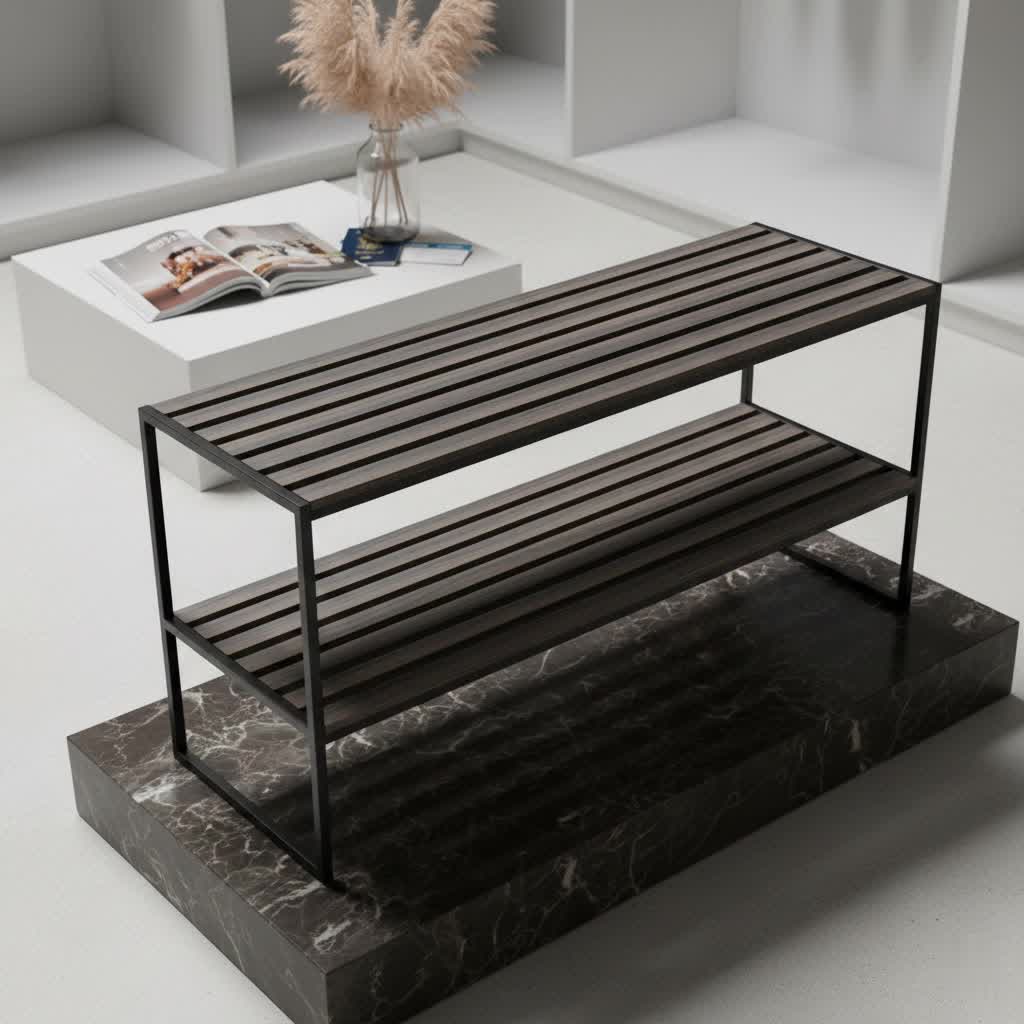
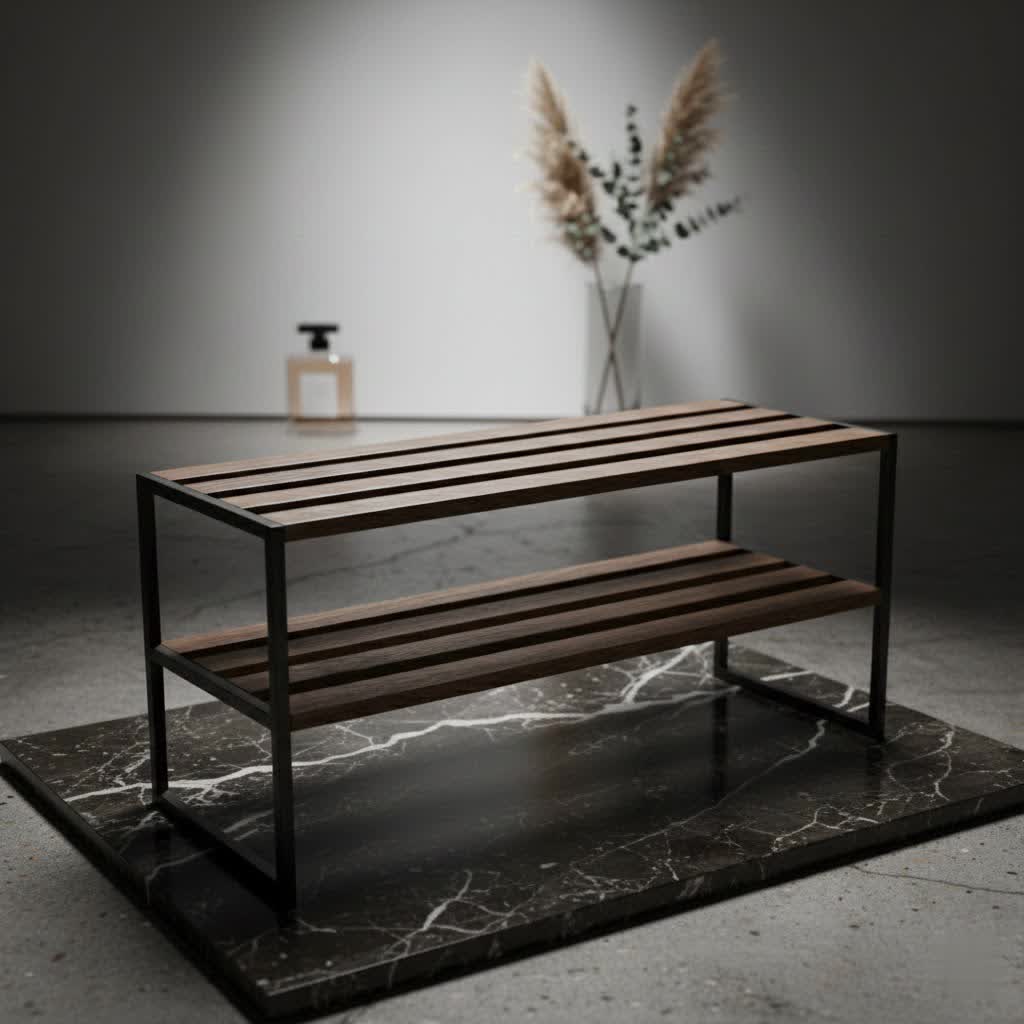
Wood shoe racks exude a timeless elegance, bringing warmth and sophistication to any space. They are often chosen for their robust construction and varied designs, from classic slatted shelves to more contemporary structures.
- Pros: Offers a classic, high-end aesthetic; generally durable and sturdy; available in various finishes and wood types (e.g., bamboo, solid wood). Bamboo, in particular, is often praised for its eco-friendliness and moisture resistance.
- Cons: Can be heavier and less portable than other types; higher price point; requires proper treatment to resist moisture or pests over time.
- Best for: Enhancing traditional or rustic interiors, entryways, living areas, or master closets where aesthetic appeal is a priority. Many expandable wood racks feature sturdy wooden frames combined with metal rods for the expanding sections.
|
Our Picks for the Best Shoe Rack in 2026
We may earn a commission when you use one of our links to make a purchase.
|
||
| Num | Product | Action |
|---|---|---|
| 1 | 3 Tier Bamboo Shoe Rack for Closet Free Standing Wood Shoe Shelf Storage Organizer for Entryway Small Space Stackable 27"x11"x20" (Natural) |

|
| 2 | 3 Tier Shoe Rack for Closet, Shoe Organizer with 5 Hooks, Long Shoe Shelf Storage for Sneaker and Boot Stackable Free Standing Shoe Rack for Entryway, Garage, Small Spaces, Dorm |
|
| 3 | HOOBRO Shoe Rack for Entryway, 5-Tier Shoe Organizer with Adjustable Mesh Shelves, 16-20 Pairs of Shoes, Spacious Floor Mount, Metal, Industrial, Shoe Shelf for Closet, Rustic Brown BF12XJ01 |
|
| 4 | VTRIN 10 Tier Shoe Rack Tall Large Capacity 50 Pair Wide Shoe Organizer with Two Hooks Sturdy Metal Shoe Shelf for Entryway, Closet, Bedroom |
|
| 5 | SONGMICS Shoe Rack Bench, 3-Tier Bamboo Shoe Storage Organizer, Entryway Bench, Holds Up to 286 lb, 11.3 x 27.6 x 17.8 Inches, for Entryway Bathroom Bedroom, Ink Black ULBS04H |
|
| 6 | 8 Tier Shoe Rack, Shoe Storage Organizer, Large Capacity Shoe Shelf Holds 32 Pairs of Shoes, Sturdy and Stable, for Entryway, Hallway, Closet, Dorm Room, Rustic Brown SS08BR |
|
| 7 | RONGJlA 3 Tier Bamboo Shoe Rack for Closet Free Standing Wood Shoe Shelf Storage Organizer for Entryway Small Space Stackable, Natural |
|
| 8 | FIDUCIAL HOME 10 Tiers Shoe Rack 20-25 Pairs Sturdy Shoe Shelf |
|
| 9 | ROJASOP Shoe Rack Organizer, 8-Tier Metal Shoe Rack for Closet Entryway Garage, 26-32 Pairs Tall Shoe Boot Storage Shelf with 15 Hooks, Stackable Large Shoe Stand |
|
| 10 | SpaceAid 7 Tier Rotating Shoe Rack Tower, Spinning Shoe Display Lazy Susan, Revolving 360 Shoe Rack Storage Round Carousel, Vertical Handbag Rotate Shoes Closet Organization (7-Tier White) |
|
Metal Shoe Racks
Metal shoe racks are perhaps the most common type found with an expandable design, celebrated for their strength, sleek appearance, and practical functionality.
- Pros: Exceptionally sturdy and capable of holding heavier footwear; often feature rust-resistant coatings (like chrome or powder-coated steel) for longevity; easy to clean; modern, minimalist aesthetic. Their expandable nature allows for significant width adjustment.
- Cons: Can sometimes appear utilitarian compared to wood; open bar designs may not be ideal for certain high heels if gaps are too wide.
- Best for: Contemporary homes, mudrooms, garages, or utility closets where durability, high capacity, and adjustable size are key.
Plastic Shoe Racks
Plastic shoe racks offer a lightweight and budget-friendly alternative. While true “expandable width” is less common, many plastic systems are highly modular, allowing you to customize their configuration and size.
- Pros: Very affordable and lightweight, making them easy to move; available in a wide array of colors; simple to clean. Modular designs offer flexibility in height and shape.
- Cons: Generally less durable and sturdy than wood or metal, prone to bending or cracking over time; may not hold very heavy shoes; aesthetic can be less refined.
- Best for: Students, renters, children’s rooms, or temporary storage needs where cost and portability are the primary concerns.
Fabric Shoe Racks
Fabric shoe racks, often incorporating a metal or plastic frame, are known for their portability and softness. Like plastic, they are typically modular or stackable rather than expandable in width.
- Pros: Extremely lightweight and easy to relocate; often collapsible for storage when not in use; budget-friendly; protects shoes from dust.
- Cons: Least durable option, limited weight capacity; can be challenging to clean effectively; may sag or lose shape over time; less aesthetic appeal.
- Best for: Small spaces, closets, dorm rooms, or occasional use where a soft, flexible, and portable solution is needed.
Comparing Different Shoe Rack Materials
Choosing the right material involves balancing cost, durability, aesthetics, and functionality. Here’s a detailed comparison to help you weigh your options:
| Type | Price | Durability | Aesthetics | Weight Capacity | Ease of Cleaning |
|---|---|---|---|---|---|
| Wood | Medium-High | High | Classic, Warm | Medium | Medium |
| Metal | Medium | High | Modern, Sleek | High | Easy |
| Plastic | Low | Low-Medium | Casual | Low | Easy |
| Fabric | Low | Low | Portable | Low | Difficult (spot clean) |
Your Ultimate Buying Guide: Choosing the Right Expandable Shoe Rack
Selecting the perfect expandable shoe rack means considering your specific needs and how the rack will integrate into your daily life and home decor.
Assess Your Storage Needs
Start by taking inventory of your footwear collection and the space where the rack will reside.
- Number of Shoes: How many pairs do you currently own, and how many do you anticipate acquiring? An expandable rack can typically hold anywhere from 6-8 pairs (when compact) to 30 pairs or more (when fully extended and stacked). Ensure the rack’s expanded capacity meets your requirements.
- Space Dimensions: Critically measure the width, height, and depth of the intended area. This is paramount for an expandable rack, as its key feature is adapting to width. Measure the minimum and maximum width the space can accommodate to ensure the rack fits both ways.
- Types of Footwear: Do you primarily own flats and sneakers, or do you have many boots, heels, or bulky winter shoes? Some racks have adjustable shelf heights or wider spacing to accommodate taller items, while others may require boots to be placed on the top tier.
Material Matters
The material impacts not only the look but also the longevity and stability of your shoe rack.
- Metal: Opt for metal racks with rust-resistant finishes like chrome or powder coating, especially if placing them in humid areas like a garage or entryway prone to wet shoes. Metal offers excellent sturdiness for heavy collections.
- Wood (Bamboo/Natural): For a more refined look, ensure wooden racks are made from treated wood to prevent warping or pest issues, particularly if used in high-moisture environments. Bamboo is often a good choice for its natural resilience.
- Plastic/Fabric: If you prioritize budget and portability, these are viable, but be aware of their lower durability and weight capacity. Confirm that modular plastic units are stable when stacked.
Size and Design Considerations
Beyond material, the structural design plays a crucial role in functionality.
- Expandability: Double-check the exact expansion range (e.g., from 17.7 to 32.5 inches wide) to confirm it aligns with your measured space.
- Stackability: If vertical growth is a future possibility, choose a model explicitly designed for stacking. This can double or even triple your storage capacity in the same footprint.
- Tier Spacing: Look for racks with adequate space between tiers. Some designs may have fixed heights, making it difficult to store boots or high heels. Adjustable shelves are a bonus for versatility.
- Ventilation: Good airflow is vital to prevent odors and moisture buildup, which can damage shoes. Open designs, especially those with slatted or wire shelves, generally offer better ventilation.
- Aesthetics: The shoe rack should complement your existing decor. A minimalist metal rack suits modern homes, while a bamboo rack might fit a more natural or Scandinavian style.
Brand Reputation and Pricing
Invest time in researching brands known for quality and customer satisfaction. Reading reviews can offer practical insights into a product’s real-world performance. While budget is a factor, remember that a slightly higher investment in a durable, well-designed expandable shoe rack can save you money and frustration in the long run. Compare prices across various retailers to find the best value.
Practical Tips for Organizing and Maintaining Your Expandable Shoe Rack
Once you’ve chosen your ideal expandable shoe rack, implementing smart organization and maintenance practices will ensure your shoes stay in pristine condition and your space remains tidy.
Smart Organization Techniques
Efficiently organizing your shoes goes beyond simply placing them on shelves.
- Categorize Shoes: Arrange your shoes by type (e.g., sneakers, heels, boots), color, or frequency of use. Keep everyday shoes on easily accessible lower tiers and seasonal or less-worn pairs on higher shelves or in clear storage boxes.
- Utilize Clear Boxes: For shoes you don’t wear often, clear shoe boxes not only protect them from dust but also allow you to quickly identify what’s inside without opening every box.
- Maximize Vertical Space: If your rack is stackable, utilize this feature to the fullest, creating a multi-tiered storage tower that makes the most of your room’s height.
Regular Cleaning and Maintenance
A clean shoe rack helps preserve your footwear and maintain a fresh home environment.
- Wipe Down Regularly: Dust and dirt can accumulate quickly. Wipe down your metal or wooden rack with a damp cloth periodically. For plastic or fabric, spot clean as needed or, if removable, wash according to manufacturer instructions.
- Clean Shoes Before Storage: Always clean dirt and debris off your shoes before placing them on the rack to prevent transferring grime and odors.
- Address Moisture and Odor: Ensure good air circulation around your rack. Consider using moisture absorbers or cedar blocks to combat dampness and keep odors at bay, especially if the rack is in a confined space.
Protecting Your Footwear
Proper storage helps extend the life of your favorite shoes.
- Maintain Shoe Shape: For delicate shoes or boots, use shoe trees or stuff them with acid-free tissue paper to help them retain their shape and prevent creases.
- Ensure Proper Air Flow: Avoid overcrowding the shelves, as this can restrict airflow and lead to mildew or unpleasant smells. Allow shoes to air out before storing them.
Conclusion
The journey to an organized home often begins with mastering shoe storage, and an expandable shoe rack is an ingenious tool in this endeavor. Its ability to adapt in width and often height makes it an unparalleled choice for managing diverse shoe collections within varied living spaces. By carefully considering materials, assessing your needs, and embracing smart organizational habits, you can transform chaotic piles into a beautifully ordered display. Investing in the right expandable shoe rack is more than just buying furniture; it’s about investing in a tidier, more functional, and ultimately, more enjoyable living environment. Why settle for clutter when a seamless storage solution is within reach?
Frequently Asked Questions
What type of expandable shoe rack is best for small apartments?
For small apartments, a metal expandable shoe rack is often ideal due to its slim profile, durability, and ability to adjust precisely to narrow entryways or closets. Many models are also stackable, allowing you to maximize vertical space without occupying a larger footprint.
How many pairs of shoes can an expandable shoe rack typically hold?
The capacity of an expandable shoe rack varies significantly based on its size and how much it expands. A compact, two-tier model might hold 6-8 pairs, while a fully expanded, multi-tier, stackable metal rack can comfortably accommodate 18 to 30 pairs or more, depending on the shoe size and type.
Are expandable shoe racks difficult to assemble?
Most expandable shoe racks are designed for easy assembly, often requiring no tools or only basic ones. Manufacturers typically include clear instructions, and many popular models can be put together in minutes.
How do I prevent my shoes from falling off metal shoe rack bars?
To prevent shoes, especially high heels or slippery flats, from falling off metal bars, look for racks with tightly spaced bars or a mesh design. Alternatively, placing a thin, non-slip mat or liner on the shelves can provide extra grip. For high heels, positioning the heel between the bars can offer better stability.